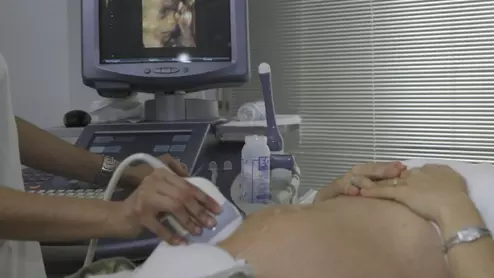
Due to the elective, rather than diagnostic, nature of these exams, operators are not required to complete formal training or be registered if the scans are done in privately owned entities.
Merck was the No. 1 funder for radiologists, contributing nearly $108 million in payments, followed by imaging manufacturer Siemens Healthineers ($64 million) and drugmaker Novartis ($57 million).
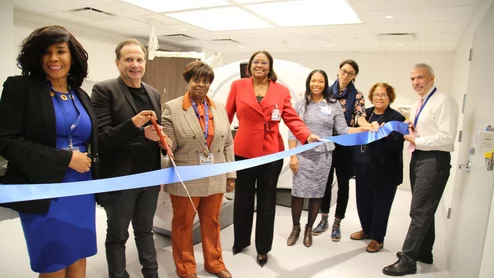
The country’s largest municipal healthcare system aims to bring imaging services "directly into the community" to eliminate barriers to care, reduce wait times and detect diseases earlier.
Six years ago, two radiologists with dissimilar backgrounds and divergent clinical interests put their heads together and launched a new practice. One physician was an academic subspecialized in musculoskeletal reads. The other, a private practitioner, concentrated on oncologic imaging. That’s how Transparent Imaging was born, powered by Konica Minolta.
In a private dining room in Miami, something unusual is happening. Leaders from competing imaging centers are openly discussing their best practices—even sharing vendor recommendations and operational strategies that have doubled their volumes while cutting costs in half.
A growing number of private insurers are now covering these advanced technologies. Roosha Parikh, MD, told Cardiovascular Business that the hard work of SCCT and other groups has helped make this happen.
Researchers used AI-enabled software developed by Cleerly to evaluate the CCTA results of more than 6,000 patients. The software was consistently effective, identifying patients who may face an increased risk of poor outcomes.