
Radiology-themed escape rooms could be learning spaces of the future
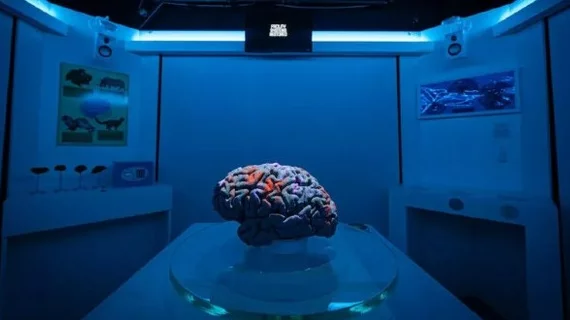
Radiology-themed escape rooms are growing in popularity as alternative teaching tools that give residents an interactive learning experience.
A new paper published in Insights Into Imaging details the development and appeal of such a concept, which has been featured numerous times at the European Congress of Radiology. Authors of the paper indicate the activity is well received by residents, with many suggesting their experience with the radiology-themed room left a lasting impression.
“The concept of escape rooms has been applied to many different scenarios; while commercial enterprises usually focus on mystery or horror themes, the concept has been adapted to a variety of contexts, including medical scenarios,” Jonas Oppenheimer, with the department of radiology at Berlin University Medicine in Germany, and colleagues noted. “Medical-themed escape rooms have been used to improve teamwork and as a didactic method in different aspects of education. Clinical problem-solving situations, in particular, can be reproduced in such rooms, delivering the opportunity to understand complex healthcare structures in a less emergent setting.”
In their paper, the group detailed the development of their escape room. It included three concepts featured between 2023 and 2025—a polytrauma situation, a thrombectomy for fulminant pulmonary embolism and a tumor board. Each concept had its own distinct puzzles created to challenge residents’ knowledge of how to proceed in each unique situation. The puzzles incorporated images and radiology-specific technical questions. Other elements included ultraviolet lights, locks, phones for calls and speakers. Residents had to solve the puzzles to move on to the next step and eventually “escape” the room.
During the last European Congress of Radiology, participants were given surveys to get a better understanding of their experiences in the escape rooms. The surveys queried participants on their training status and perceptions of the room’s challenges and utility as an educational tool.
Surveys revealed that around half of participants were residents, with many groups including physicians and non-physician members as well. Just under 30% of the groups were unable to finish the room during the allotted 20 minutes. Despite around one-third of the groups not finishing the puzzles in time, the majority (84.2%) rated the activity’s difficulty as just right. Around 10% of the physician participants rated it as too difficult, as did 12% of nonphysicians. Nearly 85% described the rooms as a fun team-building experience. The same amount agreed that interactive learning experiences should play a more significant role in medical education.
Read more about how the team designed and executed their escape room here.

In addition to her background in journalism, Hannah also has patient-facing experience in clinical settings, having spent more than 12 years working as a registered rad tech. She began covering the medical imaging industry for Innovate Healthcare in 2021.