These referrer check-ins can serve as a major source of workflow interruption and inefficiency, experts write in the Journal of the American College of Radiology.
Higher burden of medical debt is associated with significantly increased incidence of late-stage lung, colorectal, cervical, skin, kidney, bladder, and head/neck cancer, new research shows.
Jardine Matheson has closed its purchase of the I-Med Radiology Network, which operates 215 clinics and handles 7 million studies annually, also operating the StatRad teleradiology firm in the U.S.
BCRF’s first venture funding is going to Clairity Inc., which uses AI to analyze routine mammograms and predict a woman’s five-year risk of developing cancer.
Radiology ranks near the middle of physician specialties for overall lifestyle balance, but it has one notable advantage, according to a new analysis of physician salary information.
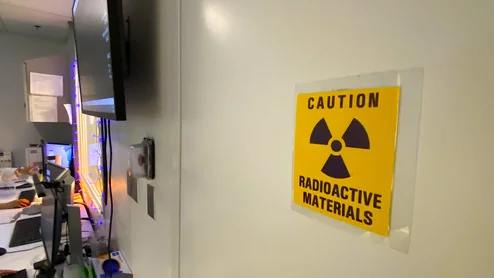
If finalized, the Nuclear Regulatory Commission updates could impact radiation protection and medical use licensing requirements across the healthcare sector.
Three specialties, which are heavily impacted by surprise billing, contend insurers (and not physicians) are undermining the process meant to protect patients from unexpected IOUs.
University of Cincinnati researchers recently championed a new quality initiative schooling clinicians on when ordering a CT scan provides little value.
Many know Sol Radiology as the Southern California-based practice that, in this decade, grew from three radiologists to 45 in only three years. But other key indicators of Sol’s development might be the pieces from which presently small practices stand to learn the most.