Black and Hispanic individuals—known to be at greater risk of developing the degenerative disease—are significantly less likely than others to show Alzheimer’s pathology on brain scans, according to new research.
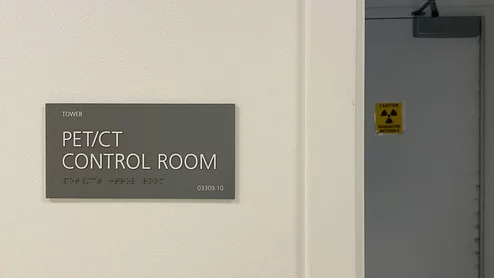
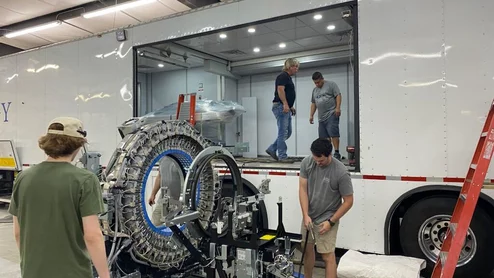
Currently, the organization relies on a mobile PET unit that parks once every week. However, demand has grown for PET/CT in the area, rising by around 60% over the last three years alone.
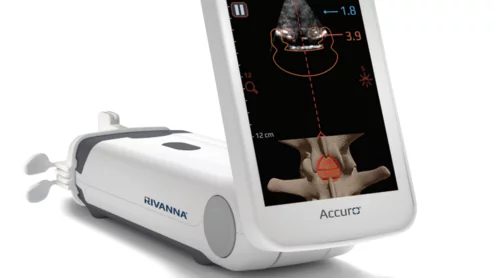
The user-friendly setup was designed with novice users in mind so that imaging can be completed quickly at the bedside, expediting diagnosis and treatment in urgent and emergency care.
New findings question the use of artificial intelligence in these settings due to numerous shortcomings, including issues with overdetection and low specificity.
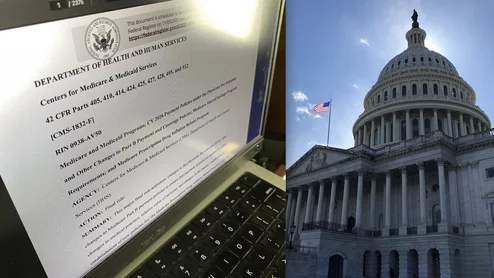
The American Society of Nuclear Cardiology visited Capitol Hill to advocate for a variety of issues. Cardiovascular Business spoke to the group's president to learn more.
The American Society of Nuclear Cardiology visited Capitol Hill to advocate for a variety of issues. Cardiovascular Business spoke to the group's president to learn more.