Healthcare policies have rapidly evolved in recent years, and 2025 was no exception. From payment policies to physician shortages, ASE and other medical societies had plenty to fight for throughout the year.
Sean Clifford filed the lawsuit Sept. 24, 2024, in the New York State Supreme Court, contending a radiologist failed to spot signs of a forthcoming stroke.
As IR procedure volumes continue to climb, coupled with anesthesiology provider shortages, there is growing interest in achieving “deeper, more reliable sedation.”
A new analysis claims the “benchmark” qualifying payment amount insurers calculate often “dramatically” understates the actual median in-network rates they are paying for in-network care.
The group was recently asked to provide input on a new set of recommendations for image-guided biopsies of suspicious breast lesions—offering providers clarity on key clinical scenarios.
The decision to utilize such scans is challenging for emergency providers, with the condition most often of benign origin, according to new research published in the journal of Emergency Radiology.
ICE is gaining momentum as a helpful imaging option during structural heart interventions, according to a new SCAI position statement. TEE and TTE remain incredibly important, but there are times when ICE can provide the guidance necessary.
The co-chairs of the American Society of Echocardiography's 2025 meeting wanted to "highlight the unique value of being in person." They looked back at the three-day event with Cardiovascular Business.
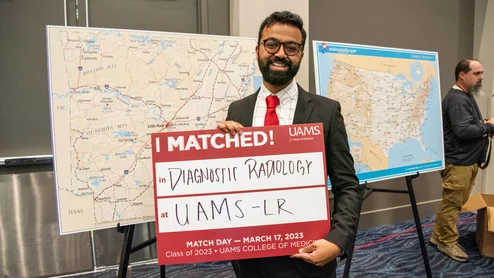
However, “preference signaling,” allowing candidates to flag their desired programs since the 2022-2023 cycle, has appeared to cool rising interest in recent years.
Healthcare policies have rapidly evolved in recent years, and 2025 was no exception. From payment policies to physician shortages, ASE and other medical societies had plenty to fight for throughout the year.