• Management
      |Management
    • Compensation
    • Economics
    • Leadership
    • Legal News
    • Mergers & Acquisitions
    • Patient Care
    • Policy & Regulations
    • Practice Management
    • Professional Associations
    • Quality
    • Staffing
  • Imaging
      |Imaging
    • CT
    • MRI
    • Nuclear Medicine
    • Ultrasound
    • Women's Imaging
    • X-ray
  • Technology
      |Technology
    • Artificial Intelligence
    • Enterprise Imaging
    • Imaging Informatics
    • Informatics
    • PACS
  • Videos
  • Conferences
      |Conferences
    • ACR
    • AHRA
    • ARRS
    • ASRT
    • RBMA
    • RSNA
    • SBI
    • SIIM
    • SIR
    • SNMMI
  • Custom Content
      |Custom Content
    • Experience Stories
    • Webinars & Videos
  • Subscribe
  • Forty Under 40 Award
      |Forty Under 40 Award
    • Class of 2025
    • Class of 2024

Search form

Home

News You Need to Know Today
Quality | June 2018
Friday, June 1, 2018
Link to Twitter Link to Facebook Link to Linkedin Link to Vimeo

Editor's Choice: Quality

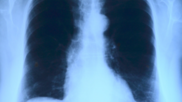
Radiology residents are proficient in CT, but struggling to read x-rays

Radiology residents are able to adequately detect an abnormal chest x-ray (CXR) from a normal one, according to research published in Diagnostic and Interventional Imaging, but the demographic lacks a theoretical background in CXR that would improve those residents’ abilities to make an accurate diagnosis.
READ MORE >
Share on Twitter Share on Facebook Share on Linkedin

Radiology residents are proficient in CT, but struggling to read x-rays

Share on Twitter Share on Facebook Share on Linkedin
Radiology residents are able to adequately detect an abnormal chest x-ray (CXR) from a normal one, according to research published in Diagnostic and Interventional Imaging, but the demographic lacks a theoretical background in CXR that would improve those residents’ abilities to make an accurate diagnosis.
READ MORE >

Safety checklists can help radiologists provide better care during severe contrast reactions

Using a contrast reaction management checklist reduces the number of mistakes radiologists make during simulated severe contrast reactions, according to a new study published in the American Journal of Roentgenology.
READ MORE >
Share on Twitter Share on Facebook Share on Linkedin

Safety checklists can help radiologists provide better care during severe contrast reactions

Share on Twitter Share on Facebook Share on Linkedin
Using a contrast reaction management checklist reduces the number of mistakes radiologists make during simulated severe contrast reactions, according to a new study published in the American Journal of Roentgenology.
READ MORE >

Defining—and dealing with—radiology’s personality problem

Cultivating physician character in an increasingly tech-centered environment can be difficult for radiologists who are often isolated in their work, but in a medical landscape where quality patient care is key, imagers may need to venture outside of their comfort zone, a trio of Emory University radiologists wrote in Academic Radiology this May.
READ MORE >
Share on Twitter Share on Facebook Share on Linkedin

Defining—and dealing with—radiology’s personality problem

Share on Twitter Share on Facebook Share on Linkedin
Cultivating physician character in an increasingly tech-centered environment can be difficult for radiologists who are often isolated in their work, but in a medical landscape where quality patient care is key, imagers may need to venture outside of their comfort zone, a trio of Emory University radiologists wrote in Academic Radiology this May.
READ MORE >

Radiologists can reduce ABUS interpretation time by using concurrent-read CAD system

Use of a concurrent-read computer-aided detection (CAD) system when interpreting automated breast ultrasound (ABUS) examinations helps improve efficiency without negatively affecting accuracy, according to a new study published by the American Journal of Roentgenology.
READ MORE >
Share on Twitter Share on Facebook Share on Linkedin

Radiologists can reduce ABUS interpretation time by using concurrent-read CAD system

Share on Twitter Share on Facebook Share on Linkedin
Use of a concurrent-read computer-aided detection (CAD) system when interpreting automated breast ultrasound (ABUS) examinations helps improve efficiency without negatively affecting accuracy, according to a new study published by the American Journal of Roentgenology.
READ MORE >

What a well-oiled democracy can teach radiologists about burnout

Physician burnout has a lot to do with democracy, Richard B. Gunderman, MD, PhD, wrote in the Journal of the American College of Radiology this month—and radiologists should be following the lead of the American College of Radiology (ACR) to combat it.
READ MORE >
Share on Twitter Share on Facebook Share on Linkedin

What a well-oiled democracy can teach radiologists about burnout

Share on Twitter Share on Facebook Share on Linkedin
Physician burnout has a lot to do with democracy, Richard B. Gunderman, MD, PhD, wrote in the Journal of the American College of Radiology this month—and radiologists should be following the lead of the American College of Radiology (ACR) to combat it.
READ MORE >

Researchers demonstrate the power of personalizing lung cancer screening decisions for each patient

A group of researchers from the University of Michigan and the U.S. Department of Veterans Affairs has found that clinicians can improve patient communication and potentially increase lung cancer screening program participation by personalizing the decision-making process.
READ MORE >
Share on Twitter Share on Facebook Share on Linkedin

Researchers demonstrate the power of personalizing lung cancer screening decisions for each patient

Share on Twitter Share on Facebook Share on Linkedin
A group of researchers from the University of Michigan and the U.S. Department of Veterans Affairs has found that clinicians can improve patient communication and potentially increase lung cancer screening program participation by personalizing the decision-making process.
READ MORE >

Lacking a web presence hurts interventional radiology residency programs

Nearly one-third of integrated interventional radiology residency programs lack a web presence, researchers reported in the American Journal of Roentgenology this month—and they could be missing out on recruiting the next generation of radiologists.
READ MORE >
screen_shot_2018-05-25_at_1.16.58_pm.png
Share on Twitter Share on Facebook Share on Linkedin

Lacking a web presence hurts interventional radiology residency programs

Share on Twitter Share on Facebook Share on Linkedin
screen_shot_2018-05-25_at_1.16.58_pm.png
Nearly one-third of integrated interventional radiology residency programs lack a web presence, researchers reported in the American Journal of Roentgenology this month—and they could be missing out on recruiting the next generation of radiologists.
READ MORE >

Are orbit shields in CT perfusion worth the reduced radiation dose?

Though designed to reduce radiation exposure during CT perfusion, orbit shields can cause more harm than good to neuroradiology patients, Swiss researchers reported this week. The shields, meant to be preventive, could be rendering whole brain scans diagnostically useless.
READ MORE >
Share on Twitter Share on Facebook Share on Linkedin

Are orbit shields in CT perfusion worth the reduced radiation dose?

Share on Twitter Share on Facebook Share on Linkedin
Though designed to reduce radiation exposure during CT perfusion, orbit shields can cause more harm than good to neuroradiology patients, Swiss researchers reported this week. The shields, meant to be preventive, could be rendering whole brain scans diagnostically useless.
READ MORE >

Protocol changes reduce likelihood of oversedation during radiology procedures

Updating hospital protocols can reduce the frequency of oversedation events during invasive radiology procedures, according to a new study published in the Journal of the American College of Radiology.
READ MORE >
Share on Twitter Share on Facebook Share on Linkedin

Protocol changes reduce likelihood of oversedation during radiology procedures

Share on Twitter Share on Facebook Share on Linkedin
Updating hospital protocols can reduce the frequency of oversedation events during invasive radiology procedures, according to a new study published in the Journal of the American College of Radiology.
READ MORE >

Why do some women with dense breasts skip supplemental MRI after a negative mammogram?

Most women with extremely dense breasts who decline the invitation to receive supplemental MRI after a negative mammogram do so because of “MRI-related inconveniences” or anxiety, according to a new study published by Clinical Radiology.
READ MORE >
Share on Twitter Share on Facebook Share on Linkedin

Why do some women with dense breasts skip supplemental MRI after a negative mammogram?

Share on Twitter Share on Facebook Share on Linkedin
Most women with extremely dense breasts who decline the invitation to receive supplemental MRI after a negative mammogram do so because of “MRI-related inconveniences” or anxiety, according to a new study published by Clinical Radiology.
READ MORE >

Residency program directors agree: Medical students don't receive enough radiology training

Medical students today are largely unprepared for standard radiologic interpretation as interns, according to research published in Academic Radiology this May. That lack of knowledge could be costing U.S. healthcare.
READ MORE >
Share on Twitter Share on Facebook Share on Linkedin

Residency program directors agree: Medical students don't receive enough radiology training

Share on Twitter Share on Facebook Share on Linkedin
Medical students today are largely unprepared for standard radiologic interpretation as interns, according to research published in Academic Radiology this May. That lack of knowledge could be costing U.S. healthcare.
READ MORE >

Innovate Healthcare thanks our partners for supporting our newsletters.
Sponsorship has no influence on editorial content.

Interested in reaching our audiences, contact our team

*|LIST:ADDRESSLINE|*

You received this email because you signed up for newsletters from Innovate Healthcare.
Change your preferences or unsubscribe here

Contact Us  |  Unsubscribe from all  |  Privacy Policy

© Innovate Healthcare, a TriMed Media brand
Innovate Healthcare

Recent Newsletters

The world's best universities for radiology education | AI predicts long-term breast cancer risk | Hologic ramps up production
$23M verdict after radiologist overlooks spinal injury on CT | Hantavirus on imaging: What to know | Retired rad donates $1M
How to navigate radiologist 'PTO pressure' | RadNet scores FDA OK for breast BAC tool | CBO says provider wins undermining NSA
Best of the Week: Practice sues hospital trying to poach rads | Hologic wins patent case vs Siemens | Group onboards 33 new rads
Lower NSA fees take effect | Moody's downgrades RadNet | The truth about the radiologist shortage | Widow funds new PET scanner
Top 10 most popular radiology video interviews this past month
Rads skeptical of new whole-body ultrasound biz | IR work concentrated among fewer physicians | FDA warning over MRI-safe device

Pagination

    • First page « First
    • Previous page ‹‹
    • Page 1
    • Page 2
    • Current page 3
    • Page 4
    • Page 5
    • Page 6
    • Page 7
    • Page 8
    • Page 9 …
    • Next page ››
    • Last page Last »
  • Home
  • News
  • Article Archive
  • Custom Content
  • Webinars
  • Press Releases
  • Content Studio
  • Advertising
  • Submit Press Release
  • Contact Us
  • Terms of Use
  • Privacy Policy
  • Cardiovascular Business
  • HealthExec
  • Radiology Business
 
© 2026 Innovate Healthcare | All Rights Reserved. | Terms of Use | Privacy Policy
 
Design by Adaptive Theme