
‘Devastating consequences’: Feds reinstate $100K visa fee, drawing ire from physicians
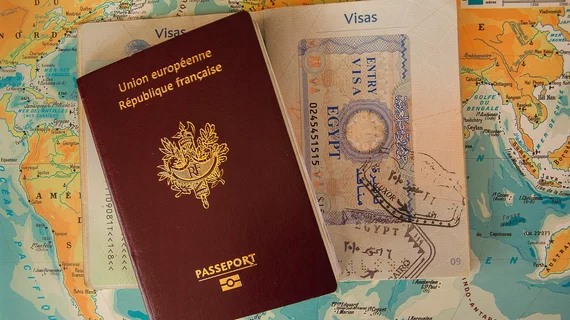
The federal government has reinstated a controversial, six-figure immigration visa fee, drawing concern from physicians and hospitals, who believe it could have “devastating consequences” for healthcare hiring.
A federal court in June had vacated the $100,000 fee—levied on immigrants entering America through the H-1B program—charging it exceeds the fee-setting authority owned by Congress. However, President Donald Trump on Sept. 18 reinstated the levy through an executive order while federal authorities appeal the decision.
The American College of Radiology highlighted the White House order in a news update to its members, published Sept. 24. Meanwhile, the Department of Homeland Security also separately issued a new proposed rule, adding a $103,265 fine for H-1B petitions subject to statutory caps.
Both the American Medical Association and American Hospital Association expressed concern about the DHS proposal this week, urging the administration to exempt physicians from the fee.
“The physician workforce shortage is well-documented, and the U.S. healthcare workforce relies upon physicians from other countries to provide high-quality and accessible patient care,” the AMA said in its letter to DHS, posted online Sept. 24. “This shortage is a real crisis with tangible, negative effects on U.S. citizens. This proposed rule will only exacerbate serious access to care challenges in our nation,” the letter added later.
The AMA noted that nearly 20 million Americans live in areas of the U.S. where foreign-trained physicians account for at least half of all medical doctors. It is urging the administration to exempt all radiologists and other physicians from the fee, which would place a “a significant financial burden on the small practices, hospitals and other employers that rely on H-1B physicians.”
The “steep increase,” up from a few thousand dollars, would make hiring physicians who serve high-need populations “next to financially impossible,” the AMA believes. Overall, international medical graduates make up one-quarter of America’s physician workforce, playing a key role in rural and underserved communities.
“The AMA firmly believes that as we continue to face a mounting physician shortage in the U.S., the administration should be promoting and easing the way for IMGs to practice in the U.S. starting with the exemption of physicians from the proposed rule,” the association wrote.
In its own letter, the American Hospital Association also urged DHS to exempt healthcare workers from the new fee. AHA noted that this proposal is separate from the Sept. 18 executive order issued by President Trump. Hospitals worry that the fee could hinder their ability to use the H-1B program to address workforce shortages, particularly in underserved communities, AHA said in a Sept. 23 news update.
Congress first created the visa program as part of the Immigration Act of 1990. It allows employers to petition for high-skilled workers to temporarily fill positions in specialty occupations that require at least a bachelor’s degree. Employers are required to submit an application, certified by the Department of Labor, that hiring the H-1B worker won’t negatively impact wages and working conditions for other similarly situated individuals. Congress currently limits the number of such visas each year, with the current cap set at 65,000.
In making its case for the fee last year, the administration contended the program has been “deliberately exploited to replace, rather than supplement, American Workers.” The White House said it wants to restrict access to the U.S., “except for those aliens whose petitions are accompanied or supplemented by a payment of $100,000.”
A recent analysis estimated that IMGs representing roughly 25% of diagnostic radiologists in the U.S. Experts note that this is a crucial source for growing radiologists rosters in the U.S., given that expanding traditional training positions would cost millions and take years to increase the rad supply.

Marty Stempniak has covered healthcare since 2012, with his byline appearing in the American Hospital Association's member magazine, Modern Healthcare and McKnight's. Prior to that, he wrote about village government and local business for his hometown newspaper in Oak Park, Illinois. He won a Peter Lisagor and Gold EXCEL awards in 2017 for his coverage of the opioid epidemic.