
New FDA approval expands embolization options for peripheral arterial bleeding
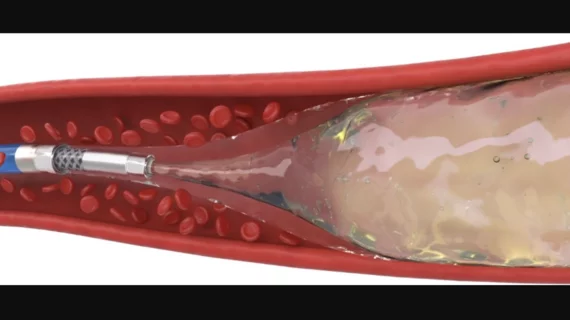
The U.S. Food and Drug Administration has expanded the approved use of Instylla’s Embrace Hydrogel Embolic System.
The device's previous approval has been updated to include embolization of peripheral arterial bleeds in vessels measuring 6 mm or less, adding a hemorrhage treatment indication to the device’s existing use in interventional oncology. This follows the device’s initial premarket approval for embolization of hypervascular tumors, which was made official in August 2025.
Transcatheter arterial embolization is used to control bleeding from a range of causes, including trauma, gastrointestinal hemorrhage and solid-organ injuries. Conventional embolic agents have limitations in some patients, such as those who are not able to form clots. The embrace system addresses this challenge with its water-based polyethylene glycol hydrogel, which forms within the vessel to create an occlusion. The company says the nonadhesive material allows continued microcatheter access after embolization and does not rely on the patient’s clotting ability. The hydrogel gradually breaks down through hydrolysis over approximately 11 months.
The expanded indication was supported by the HALT study, a prospective, multicenter trial involving 130 patients with peripheral arterial bleeding. The study met both primary endpoints, with 100% of patients free from major adverse events and a clinical success rate (defined as no rebleeding from the target site) of 90% through 30 days. It should be noted, however, that the HALT study was single-arm and followed patients for 30 days, so its results do not establish comparative effectiveness against other embolic agents or provide evidence about longer-term outcomes.
"When treating an arterial bleed, you need an embolic solution that can reach the source of bleeding while providing precise control,” Suvranu Ganguli, MD, chief of interventional radiology at Boston Medical Center and principal investigator of the HALT study, said in a news release. “Embrace HES allows you to tailor your approach to the anatomy, achieving either distal or proximal embolization with a single embolic agent. Its novel design also allows you to maintain microcatheter access after embolization, unlike many currently available liquid embolics. This combination of control, versatility, and preserved access makes it a valuable new option for interventional radiologists.”
The product is currently available commercially in the U.S.
Learn more here.

In addition to her background in journalism, Hannah also has patient-facing experience in clinical settings, having spent more than 12 years working as a registered rad tech. She began covering the medical imaging industry for Innovate Healthcare in 2021.