
Radiologists urge HHS secretary to overhaul US Preventive Services Task Force
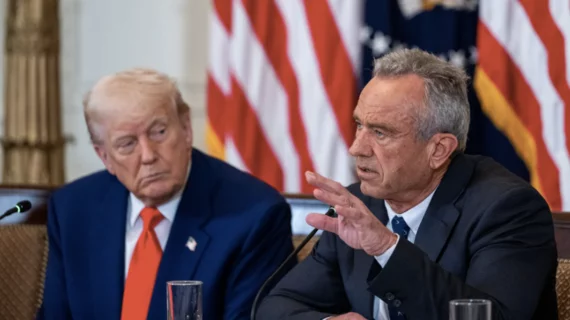
Radiology and other specialties are urging Health and Human Services Secretary Robert F. Kennedy Jr. to modernize an influential group of industry experts that dictates which screening exams are covered by insurers.
Over 45 physicians, scientists and public health leaders penned a letter to the HHS leader Monday, calling for immediate action to fix the U.S. Preventive Services Task Force. They believe a “fundamental shift” is needed to address how USPSTF develops and implements its recommendations.
Too often, the panel is slow to adapt, which they believe does not suit a rapidly evolving “era of advanced imaging, artificial intelligence and precision diagnostics.”
“Prevention should not wait for catastrophe," experts across radiology, cardiology, oncology, epidemiology and preventive medicine wrote to Kennedy on Jan. 26. “Yet under current paradigms, millions of Americans remain undiagnosed until they present with advanced, life-threatening disease. This approach is no longer defensible in the presence of modern tools that can detect disease early, accurately and at scale.”
The letter writers are part of the Society for Heart Attack Prevention & Eradication, a nonprofit promoting early detection of myocardial infarction or stroke among those who show no signs or symptoms. Members of SHAPE believe cardiovascular disease is one of biggest blind spots for the task force. Currently, USPSTF offers no recommendations for early detection of asymptomatic heart disease. This leaves many Americans suffering from “silent atherosclerosis,” until they eventually experience a heart attack, stroke or sudden death.
Radiologists and other docs are urging the HHS secretary to take “decisive action to modernize” the task force. They believe Kennedy can begin doing this by appointing members with “proven records in forward-looking, innovative preventive care.”
“The USPSTF exerts extraordinary influence over U.S. health policy. Its recommendations determine insurance coverage, shape clinical practice, and define which preventive services Americans can access,” they wrote. “Yet despite this authority, the task force has too often functioned as a retrospective body, evaluating prevention through outdated evidence frameworks rather than anticipating emerging opportunities. As a result, many USPSTF recommendations lag far behind contemporary science and real-world clinical needs.”
SHAPE offered a potential wish list of four key traits members of the task force should possess to help address their concerns. Future appointees should have a track record in early disease detection and prevention, along with experience translating “innovation into population-level practice.” They also should be familiar with modern diagnostic, imaging and digital health tools. Plus, they believe it’s important new task force members have a willingness to “challenge outdated paradigms when they no longer serve patients.”
“An overhaul of the USPSTF is long overdue,” they wrote. “Americans deserve a preventive health strategy that acts before disease steals years of productive life, diminishes quality of life, or drives unsustainable healthcare costs. We urge you to seize this opportunity for meaningful reform.”
Radiologists signing the letter included Claudia I. Henschke, PhD, MD, Neil M. Rofsky, MD, and David F. Yankelevitz, MD, all 3 of whom are professors with the Icahn School of Medicine in New York City.

Marty Stempniak has covered healthcare since 2012, with his byline appearing in the American Hospital Association's member magazine, Modern Healthcare and McKnight's. Prior to that, he wrote about village government and local business for his hometown newspaper in Oak Park, Illinois. He won a Peter Lisagor and Gold EXCEL awards in 2017 for his coverage of the opioid epidemic.