
Radiologist under fire for missing 'obvious' findings that led to toddler's untimely death
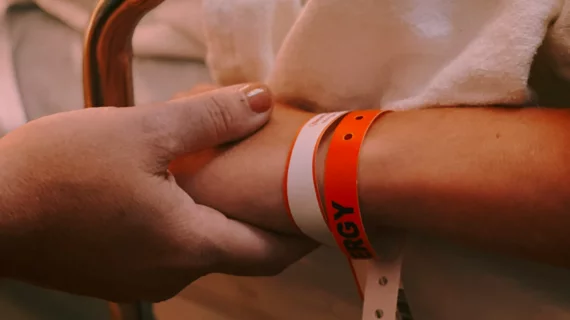
Following the death of a toddler, several doctors, including a radiologist who provided a remote interpretation, are being criticized over their care of the girl.
Raisa Cristina Iordan was 19 months old at the time of her death in November of 2023. Her parents initially brought her to Dewsbury and District Hospital in West Yorkshire due to concerns of a viral illness. She was discharged that day but returned later when her parents noticed she was shaking and had become less responsive.
At that point, she underwent a CT scan of her brain due to her convulsions. The reporting of that exam was outsourced to an external agency, Telemedicine Clinic Limited, which provides remote reads for several hospitals in the area. That exam was deemed normal, with “no convincing evidence” of adverse neurological findings.
The girl's condition continued to deteriorate, prompting providers to request that she be transferred to the nearby Sheffield Children's Hospital. Doctors there reviewed her imaging again, this time noting the presence of an obvious brain herniation that had not been identified by the Telemedicine Clinic Limited radiologist.
A report compiled by assistant coroner Charlotte Keighley suggested the missed finding, which played a critical role in the girl’s deterioration, was likely because the scan was read by a radiologist who did not have experience reporting on complex pediatric conditions.
“Although [Telemedicine Clinic Limited] has a number of radiologists available from a variety of subspecialties to provide reports, their expertise are limited to that of adult radiology, rather than pediatric radiology,” Keighley noted.
At the time, the rad tech who completed the exam notified Telemedicine Clinic Limited of their suspicion that the girl’s imaging was abnormal. The worker said they wanted to ensure that no additional exams were needed but was told the initial scan would suffice, according to inquest records.
The second interpretation of the girl’s CT resulted in a diagnosis of meningoencephalitis—a rare but serious condition that causes the brain and surrounding tissues to swell, leading to fever, headache and seizures. The condition, which progresses rapidly without treatment, inflicted “catastrophic and irreversible” damage to Raisa’s brain, ultimately leading to her death.
The hospital and NHS trust both expressed their condolences to the family; Richard Robinson, chief medical officer at the Mid Yorkshire Teaching NHS trust, issued a statement indicating that the incident is being taken seriously and that the hospital has already implemented changes to avoid similar events in the future.
"We are deeply sorry for the tragic death of Raisa and our thoughts remain with her family. We recognize the issues raised by the coroner and are reflecting carefully on them,” Robinson said. "Learning events were held following Raisa's death to understand where improvements to care were needed, and this work has already led to progress being made."

In addition to her background in journalism, Hannah also has patient-facing experience in clinical settings, having spent more than 12 years working as a registered rad tech. She began covering the medical imaging industry for Innovate Healthcare in 2021.