
In 1 state, over a dozen counties have no access to MRI, with implications elsewhere
In one state, over a dozen counties have no access to a nearby MRI machine, with implications for imaging leaders in other geographies.
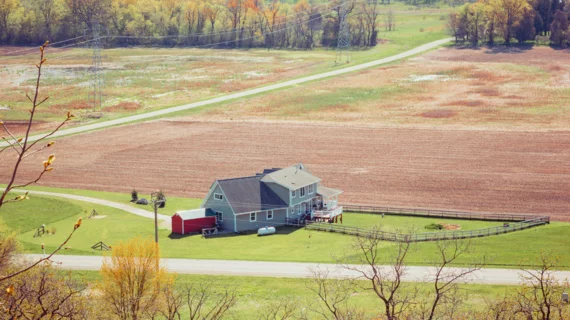
Rural populations often face significant healthcare disparities due to radiologist shortages, transportation barriers and limited access to advanced imaging scanners. Certificate-of-need laws—requiring government approval before buying a new MRI machine—can sometimes further exacerbate these problems, experts write Sept. 11 in Current Problems in Diagnostic Radiology.
Researchers aimed to better understand how these considerations play out in the state of Michigan, which has its own CON law. Based on their analysis, nearly 16% of counties in the state have no MRI access, all of which are rural. These geographies face an average straight-line distance to a fixed MRI machine of 19 miles, compared to 7 miles in other urban counties in Michigan.
“These findings highlight opportunities for more targeted infrastructure planning and policy strategies to improve imaging equity in rural communities,” lead author Connor Latterman, with the College of Human Medicine at Michigan State University, Grand Rapids, and colleagues concluded.
The study gathered its data from the 2024 MRI Service Utilization Lists, posted by Michigan Health and Human Services. County population figures were retrieved from the U.S. Census Bureau and used to help determine the distance to the nearest non-mobile MR imaging scanner.
Rural counties in northern Michigan and its Upper Peninsula exhibited the longest average straight-line distance to a fixed MRI, the study found. On further analysis, travel time to the nearest MRI was not significantly associated with mobile MRI availability. However, after adjusting for county population density, greater distance was associated with increased odds of mobile MRI placement (with an adjusted odds ratio per 10-mile increase of 1.46). Higher population density per county also was independently associated with mobile MRI availability).
“Incorporating geographic access metrics such as travel distance in planning and regulatory decisions may help better align mobile imaging resources with areas of highest unmet need, particularly in CON states,” the authors advised. “Although this analysis is specific to Michigan, similar CON laws and access challenges exist in other states, suggesting a broader relevance of findings.”
Read more, including potential study limitations, in CPiDR.

Marty Stempniak has covered healthcare since 2012, with his byline appearing in the American Hospital Association's member magazine, Modern Healthcare and McKnight's. Prior to that, he wrote about village government and local business for his hometown newspaper in Oak Park, Illinois. He won a Peter Lisagor and Gold EXCEL awards in 2017 for his coverage of the opioid epidemic.