
Hospital apologizes after leaving patient on MRI scanner for 6 hours
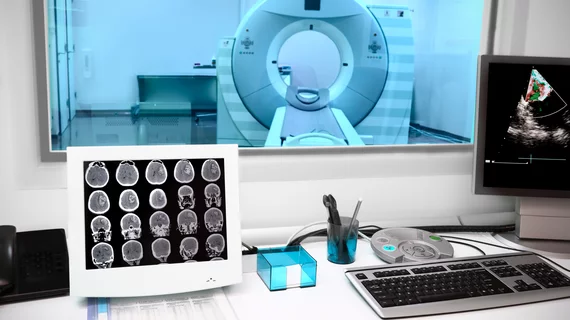
A hospital is apologizing after recently leaving a patient on an MRI scanner for nearly six hours, leading to changes in shift-handover procedures.
The incident occurred during the early hours of Feb. 26 at Tongji Hospital, a top tertiary care provider in Wuhan, capital of China’s Hubei Province. An individual with the surname of Tang reportedly underwent imaging, with one attending physician manually marking the procedure as “completed” in the system at 12:10 a.m. while rushing on to achieve other tasks.
However, the man was still reportedly in the machine, remaining immobile because he thought moving might cause him physical harm. Tang remained there until around 6 a.m., when cleaning staff found him.
“This was not a malfunction of magnets or software; it was a total abandonment of the human duty of care,” LinkedIn user Li Liu, a radiology solutions provider based in China, wrote March 13. “The details released in the latest investigation paint a haunting picture of the ‘human firewall’ crumbling.”
The hospital apologized for its handling of the situation on Friday, according to a report published by the Global Times, a state media outlet. It charged that the incident was caused by violations of both work rules and Tongji Hospital’s shift-change procedures. Multiple staff members involved have been suspended, and the institution has implemented a systemwide investigation to prevent future such incidents from occurring.
Tongji Hospital reportedly examined Tang after the ordeal and is maintaining contact with him on potential compensation for his trouble, according to the Times. Tang had repeatedly called out for help throughout the night, but his cries went unheard by staff. The attending physician reportedly had verbally informed a colleague taking over the shift that the patient was still in the scanning room. However, the individual reportedly later failed to follow through and check whether Tang was still in the scanner, according to the City News Service.
His wife later phoned Tongji Hospital in search of her husband, but staffers insisted he had left, since the procedure was marked complete in the system.
“The hospital’s statement that there was ‘no health impact’ because MRI lacks ionizing radiation is an insult to clinical accountability,” LinkedIn user Liu wrote March 13. “In 2026, we cannot define ‘safety’ as merely the absence of tissue damage. The psychological trauma of a six-hour burial in a thundering, claustrophobic tube is a catastrophic medical injury. It is a total breach of the sacred trust between a patient and their healthcare provider.”
Liu offered lessons learned for other imaging providers from the incident. Radiology managers worldwide should keep their “eyes on handover protocols,” with no shift change ever authorized without a secondary “sweep and sign-off” of every scan room. “We cannot trust a screen more than our own eyes,” he wrote. He also called for “bore integrated alarm systems” that link directly to a 24/7 central hub and safe-lock features that prevent an exam from being marked “complete” until physical sensors confirm the patient has been offloaded.

Marty Stempniak has covered healthcare since 2012, with his byline appearing in the American Hospital Association's member magazine, Modern Healthcare and McKnight's. Prior to that, he wrote about village government and local business for his hometown newspaper in Oak Park, Illinois. He won a Peter Lisagor and Gold EXCEL awards in 2017 for his coverage of the opioid epidemic.