
Prostate MRI is significantly underutilized in racial minority groups
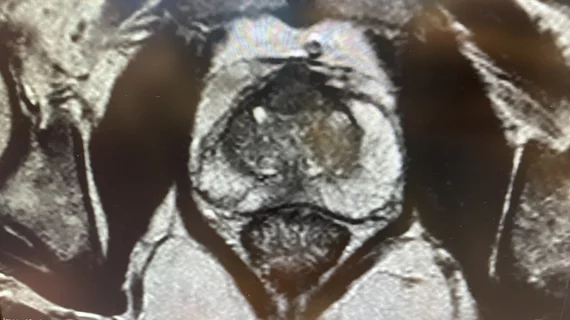
A new research paper is shining a light on problematic racial disparities with respect to imaging utilization in men with suspected prostate cancer.
The meta-analysis indicates that Caucasian men are three times more likely to undergo prostate MRI compared to Black men. Concerningly, these figures are even more pronounced when compared to other racial minorities. The analysis also uncovered disparities in the use of transrectal ultrasound (TRUS).
Researchers shared their findings in Current Problems in Diagnostic Radiology; in the paper the they highlight the negative impact imaging disparities can have on outcomes.
“Racial disparities in diagnostic imaging, particularly the use of multiparametric MRI (mpMRI) for prostate cancer, are associated with poor outcomes for Black patients. Even after adjusting for age and disease stage, recent studies demonstrate that Black males are disproportionately less likely to receive mpMRI than white males, with socioeconomic, geographical, and insurance-specific factors accounting for more than 81% of the difference in mpMRI use,” Ashkan Bahrami, MD, with the faculty of medicine at Kashan University of Medical Science, in Iran, and colleagues explained.
The meta-analysis consisted of 33 articles detailing over 94,000 patients’ cases. The cases spanned across six different races—African-American or Black, White, Asians, Caucasians, Hispanics, and other—with a mean age of 77.9.
The data revealed that 66% of White patients included in the analysis underwent prostate MRI. In comparison, just 19% of Black men received the same diagnostic care; these figures continued to decline among the other groups, with prostate MRIs being completed in just 7% of the Hispanic group, 4% of the Asian cohort and 24% in the “other” batch. Black men showed relatively low lates of TRUS use as well, at 30%.
These findings were also found to be linked to socioeconomic status, the group noted, which proved to be a significant contributor of imaging utilization.
“Income and socioeconomic disparities are well-documented contributors to healthcare access inequities," the wrote. "For instance, patients with a broader variety of insurance coverage and better incomes are more likely to seek advanced diagnostics imaging.”
The authors suggested that by addressing the gaps in care based on socioeconomic factors, the known imaging disparities would lessen as well.
“Policies could focus on developing MRI-based protocols, particularly multiparametric MRI (mpMRI), as a strategy for reducing diagnostic disparities,” they suggested. “Numerous studies have shown that mpMRI when used to direct biopsy and aid in risk assessment, improves diagnostic precision and reduces the risk of overdiagnosis and unnecessary biopsies in patients who do not receive adequate comprehensive care.”
Read more here.

In addition to her background in journalism, Hannah also has patient-facing experience in clinical settings, having spent more than 12 years working as a registered rad tech. She began covering the medical imaging industry for Innovate Healthcare in 2021.