
The brains of expert AI prompt engineers really are wired differently
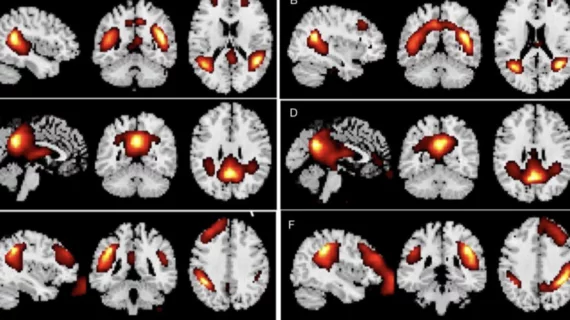
Experts in prompt engineering are quite literally wired differently than their peers, new imaging data suggest.
The emergence of artificial intelligence applications, large language models in particular, has thrust the term “prompt engineering” into the mainstream spotlight in recent years. Thanks to open access LLMs like ChatGPT, anyone with a Wi-Fi connection can try their hand at prompt engineering, and mastering the art of effective prompts has become a coveted skill in the fast-growing field of AI.
A recent study published in RSNA’s flagship journal Radiology detailed how prompt inputs impact LLM performance. Researchers involved in that study highlighted the importance of context when crafting a prompt to interpret radiology reports, also calling attention to how LLMs can negatively impact patients when not prompted appropriately.
Most research on LLMs in recent years has focused on the development, training and performance of the models themselves; this latest study out of King Saud University in Saudi Arabia puts a spotlight on prompt engineers, revealing their brains may, in fact, be wired in a way that gives them an edge at the craft.
“The ability to craft precise and effective prompts that guide LLMs towards the desired outputs is becoming an indispensable skill. While the natural language processing (NLP) community has made substantial strides in developing more capable LLMs and understanding their internal workings, the human side of this interaction—specifically, the cognitive and neural mechanisms that differentiate expert prompt engineers from novices—remains a nascent area of research,” noted co-authors Hend S. Al-Khalifa, Raneem Almansour and Layan Abdulrahman Alhuasini.
For their work, the team recruited a group of 22 individuals to undergo functional brain MRI scans while engaging in tasks related to prompt engineering. The group was divided based on their level of prompt expertise, as told by their scores on the Prompt Engineering Literacy Scale (PELS).
On imaging, the two groups showed significantly different neural signatures. The expert group displayed increased functional connectivity in the left middle temporal gyrus (MTG) and left frontal pole—areas associated with language processing and executive control. They also showed altered connectivity in key cognitive networks.
The team described these findings as “notable.”
“The MTG, a hub for semantic processing and contextual integration, likely supports experts' refined ability to access and manipulate language representations. The frontal pole, implicated in strategic planning and cognitive control, may enable experts to construct and iteratively refine prompts using higher-order strategies,” the authors explained.
The group added that this new understanding of neural signatures among expert prompt engineers has the potential to “inform the design of more intuitive human-AI interfaces, contribute to cognitive models of LLM interaction, and potentially guide the development of AI systems that better align with human cognitive workflows.”
Read more about their findings here.

In addition to her background in journalism, Hannah also has patient-facing experience in clinical settings, having spent more than 12 years working as a registered rad tech. She began covering the medical imaging industry for Innovate Healthcare in 2021.