
MRI findings suggest low-dose radiation may slow progression of knee osteoarthritis
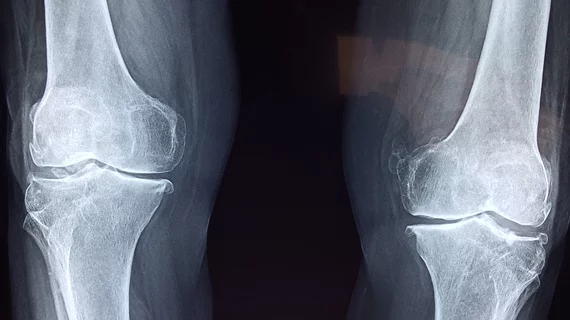
Low-dose radiation therapy may do more than relieve pain in patients with early knee osteoarthritis, with new long-term findings suggesting the treatment also could slow structural deterioration.
That’s according to research presented at the American Society for Radiation Oncology (ASTRO) Annual Meeting, which compared the treatment’s effectiveness to that of standard medication-based therapies. The study's findings suggest that low-dose radiation therapy is both safe and effective in the long-term (more than a decade in most cases).
Low-dose radiation therapy has been used in parts of Europe and increasingly in the United States to treat pain associated with OA and other inflammatory conditions. Unlike cancer treatment, which requires substantially higher radiation doses to destroy or control tumors, the approach uses low doses intended to reduce inflammation within the joint, which could slow progression of the condition.
“For osteoarthritis, we have treatments that can help patients feel better, but much less evidence that they can change what is happening inside the joint,” Gopal K. Bajaj, MD, MBA, co-chair of ASTRO’s Functional Radiation Medicine Task Force, said in a news release. “What makes these findings interesting is that the patient-reported improvement was accompanied by a measurable difference on MRI.”
The findings come from an integrated analysis of a randomized trial involving 292 patients with symptomatic knee osteoarthritis. Patients were randomly assigned to receive glucosamine and chondroitin alone or the same medications plus low-dose radiation therapy totaling 4.5 Gy delivered in 10 treatments. Participants were followed for a median of 12 years, providing researchers with an opportunity to examine both short-term imaging and outcomes, along with longer-term disability.
The study included patients with Kellgren-Lawrence grade 0, 1 or 2 disease, representing early stage OA; patients with more advanced grade 3 or 4 disease were excluded. Imaging and self-reported metrics on pain and quality of life were used to determine the treatment's efficacy.
While both groups initially reported improvements in pain, this benefit was sustained over time only among patients who received radiation therapy. That group also experienced significantly greater improvements in physical function and quality of life.
But the benefits extended beyond pain relief and functionality alone. MRI findings provided evidence of potential structural benefits as well. Imaging performed over three years showed significantly less deterioration in the radiation therapy group. At 12 months, MRI scores showed slight improvement among patients who received radiation therapy, compared with worsening in the medication-only group, with the difference persisting during follow-up.
Researchers also examined regional health records for knee replacement and government-certified disability related to osteoarthritis. Across the study population, low-dose radiation therapy was associated with a 67% lower adjusted hazard of disability. The greatest benefit was observed among the 78 patients with grade 2 disease. Disability developed in 31% of grade 2 patients who underwent radiation therapy compared with 61% of those receiving medication alone, while knee replacement occurred in 14% and 36% of the same group.
“The most compelling part of this study is how the outcomes fit together,” said Bobby (Nagendra) Koneru, MD, a study author and radiation oncologist with Loyola University Chicago. “Patients experienced sustained improvement in pain and function, MRI showed less joint deterioration and years later, we saw less disability and, in patients with grade 2 disease, fewer knee replacements.”
Researchers cautioned that their findings do not yet establish low-dose radiation as a disease-modifying treatment, as larger, prospective, multicenter trials are still needed to confirm the findings.
Read more here.

In addition to her background in journalism, Hannah also has patient-facing experience in clinical settings, having spent more than 12 years working as a registered rad tech. She began covering the medical imaging industry for Innovate Healthcare in 2021.