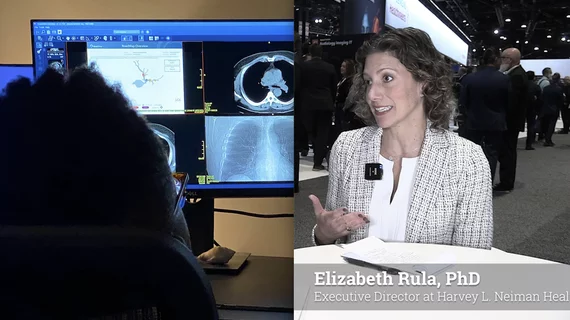
Elizabeth Rula, executive director of the ACR-backed research outfit, discusses how to solve staffing shortages, prior authorization issues, and other key issues facing radiology.
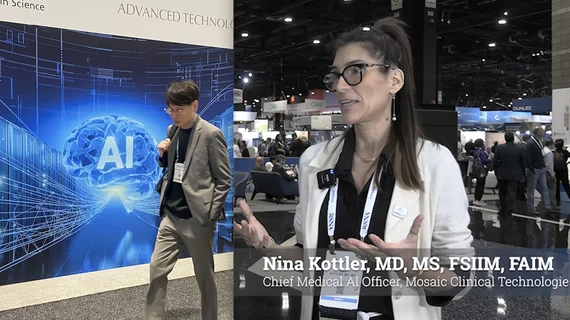
As AI adoption accelerates across radiology, future success will depend on improving efficiency, reducing burnout and managing the surging imaging demand.
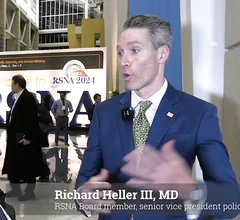
Richard Heller III, MD, RSNA board member and senior VP of policy at Radiology Partners, offers an overview of policies in Congress that are directly impacting imaging.
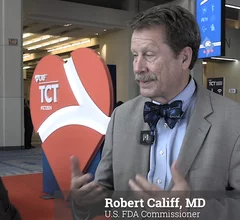
FDA Commissioner Robert Califf, MD, said the clinical community needs to combat health misinformation at a grassroots level. He warned that patients are immersed in a "sea of misinformation without a compass."
Significant fluctuations in PET and CT reimbursement rates have made it especially challenging to keep up with this complex topic. We spoke to an expert to learn more.
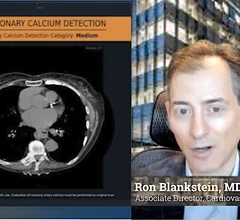
Ron Blankstein, MD, professor of radiology, Harvard Medical School, explains the use of artificial intelligence to detect heart disease in non-cardiac CT exams.
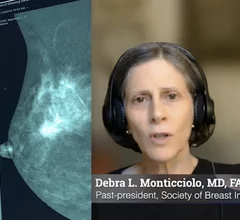
Digital breast tomosythesis now makes up close to 50% of mammography systems in the U.S. "Tomo is going to replace just straight digital mammography simply because of the benefit of fewer recalls," explained Debra L. Monticciolo, MD.
Debra L. Monticciolo, MD, past president of both the Society of Breast Imaging and the American College of Radiology, explains the advantages and disadvantages of current breast screening technology.
"A significant part of burnout stems from the overwhelming administrative burden," explains Elizabeth Ann Ignacio, MD, FSIR, FACR, chair of the SIR Small and Rural Practices Committee.