Between July and December 2025, Irfan Fazil, MD used businesses including Yuma Mobile X-ray to bill Medicaid for thousands of unnecessary radiology services.
Compared with surgical approaches such as TURP, PAE can offer an alternative treatment for appropriately selected patients, especially men who are older in age.
Researchers believe the approach could eventually help reduce unnecessary gadolinium exposure for some patients while maintaining useful information for diagnosis and treatment planning.
A new meta-analysis is offering updated insight into the relationship between cigarette smoking and aortic calcification, with a couple of key findings having potential implications for future research.
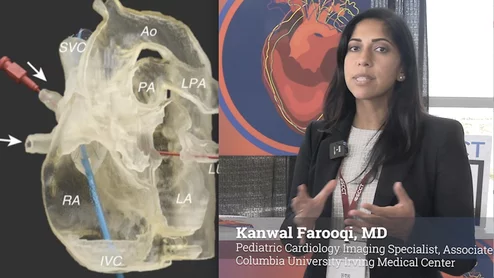
3D models can improve the visualization of challenging cardiac anatomy in addition to supporting clinical decision-making, education and procedural planning.
Dennis W. Wulfeck, MD, MBA—a diagnostic specialist and president of the practice board at Rad Partners affiliate Mori, Bean and Brooks—is joining the influential, 16-member panel.
Clinical guidelines from multiple organizations recommend such scans to help assess newly detected cognitive impairment, but many seniors are not receiving them.
Many know Sol Radiology as the Southern California-based practice that, in this decade, grew from three radiologists to 45 in only three years. But other key indicators of Sol’s development might be the pieces from which presently small practices stand to learn the most.