Black and Hispanic individuals—known to be at greater risk of developing the degenerative disease—are significantly less likely than others to show Alzheimer’s pathology on brain scans, according to new research.
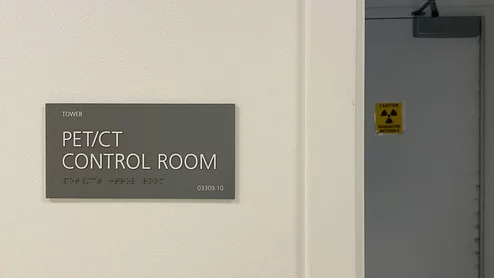
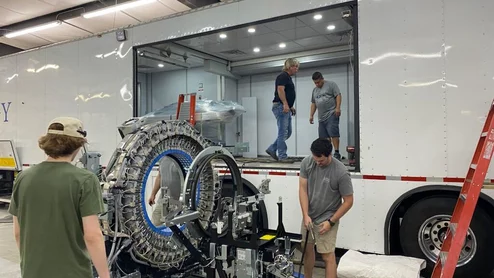
Currently, the organization relies on a mobile PET unit that parks once every week. However, demand has grown for PET/CT in the area, rising by around 60% over the last three years alone.
HHS Secretary Robert F. Kennedy Jr. is appointing Stephanie Haridopolos, MD, to carry out some of the functions of the “nation’s doctor," with the SG post empty since Trump took office.
Regulatory authorities are green-lighting the new product, which is part of its Prostate Suite of solutions, offering AI assistance for cancer detection and interpretation.
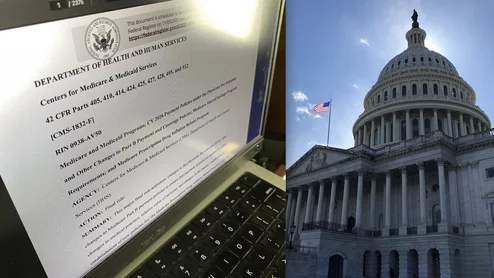
The American Society of Nuclear Cardiology visited Capitol Hill to advocate for a variety of issues. Cardiovascular Business spoke to the group's president to learn more.