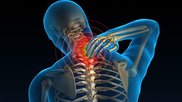
According to an article published in the Journal of the American College of Radiology, the rise of PACS and digital reading rooms are contributing to work-related musculoskeletal injuries among radiologists. According to an article published in the Journal of the American College of Radiology, the rise of PACS and digital reading rooms are contributing to work-related musculoskeletal injuries among radiologists. | | |
|
A group of New England researchers analyzed patient narratives, finding clinical codes and communication breakdown as the most common reasons for complaints, with no significant difference between multifactorial and single-coded complaints. A group of New England researchers analyzed patient narratives, finding clinical codes and communication breakdown as the most common reasons for complaints, with no significant difference between multifactorial and single-coded complaints. | | |
|
A study published in the journal Digital Medicine found a trained artificial intelligence (AI) platform classified echocardiogram views with 98 percent accuracy—outperforming board-certified cardiologists. A study published in the journal Digital Medicine found a trained artificial intelligence (AI) platform classified echocardiogram views with 98 percent accuracy—outperforming board-certified cardiologists. | | |
|
A new molecular technique using modified diamonds could increase the sensitivity of an MRI and improve patient diagnosis, according to a University of Melbourne press release. A new molecular technique using modified diamonds could increase the sensitivity of an MRI and improve patient diagnosis, according to a University of Melbourne press release. | | |
|
In what could be a surprise to experts and industry leaders, a recent survey from Accenture has suggested that consumers are more optimistic about the integration of artificial intelligence (AI) in medicine, according to a recent article by Harvard Business Review. In what could be a surprise to experts and industry leaders, a recent survey from Accenture has suggested that consumers are more optimistic about the integration of artificial intelligence (AI) in medicine, according to a recent article by Harvard Business Review. | | |
|
The variables involved in minimizing radiation exposure during CT imaging are many—but simply placing a patient off-center can result in a surface dose increase of 12 to 49 percent and negatively impact image quality. The variables involved in minimizing radiation exposure during CT imaging are many—but simply placing a patient off-center can result in a surface dose increase of 12 to 49 percent and negatively impact image quality. | | |
|
After 14 years as CEO of the Association for Medical Imaging Management (AHRA), Ed Cronin has announced he will retire at the end of 2018. After 14 years as CEO of the Association for Medical Imaging Management (AHRA), Ed Cronin has announced he will retire at the end of 2018. | | |
|
Ever since Mahesh Yogi introduced transcendental meditation to the West in the middle of the 20th century, researchers have sought to solidify claims that the practice offered a state of “restful alertness.” Recent research used fMRI to back-up that assertion. Ever since Mahesh Yogi introduced transcendental meditation to the West in the middle of the 20th century, researchers have sought to solidify claims that the practice offered a state of “restful alertness.” Recent research used fMRI to back-up that assertion. | | |
|
A recent study published in Radiology has demonstrated that deep-learning bone age assessment models analyzing hand radiographs produced results as accurate as a radiologist. A recent study published in Radiology has demonstrated that deep-learning bone age assessment models analyzing hand radiographs produced results as accurate as a radiologist. | | |
|
As deep learning in medical imaging continues to advance, two leading experts argue in an editorial in the Harvard Business Review that it will only result in positive impacts on the field—rather than replace imaging professionals with computers. As deep learning in medical imaging continues to advance, two leading experts argue in an editorial in the Harvard Business Review that it will only result in positive impacts on the field—rather than replace imaging professionals with computers. | | |
|