
Ultrasound AI predicts preterm birth risk using routine prenatal scans
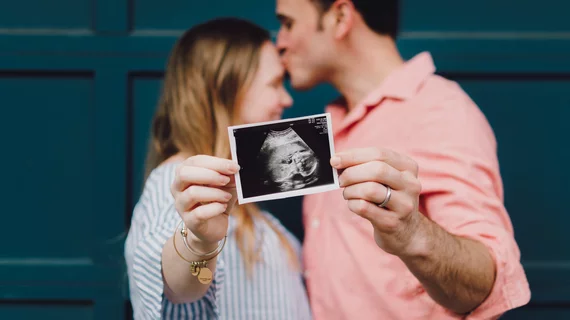
A new analysis details the utility of an artificial intelligence-powered ultrasound tool capable of assessing preterm delivery risk from routine prenatal scans.
Findings from the study suggest that standard scans may contain information beyond the measurements typically used to assess fetal development. AI tools can stratify this information to better inform both patients and providers on risk, allowing them to proactively manage treatment-related decisions.
The retrospective study was led by Rodrigo Alliende-Ferrada, MD, an OB-GYN specialist with Hospital Padre Hurtado, Santiago, Chile. In it, researchers evaluated technology (Ultrasound AI) using previously acquired scans from 2,550 pregnancies at four public hospitals in Chile. The AI platform was used without modification, and no patients' clinical care was guided by its predictions.
Among pregnancies that resulted in preterm delivery, the system estimated the delivery date within two weeks of the actual birth in 71% of cases. At the routine 23-week ultrasound, AI identified which pregnancies would result in an early delivery with 86% accuracy using image data alone.
The system was able to identify risk signals associated with both spontaneous preterm labor and medically indicated early delivery. Across all pregnancies, its predicted delivery date was within two weeks of the actual birth more than 90% of the time.
Performance also was similar among migrant mothers. The AI tool maintained its accuracy in women who did not receive an early ultrasound scan, a group that may include patients with more limited access to prenatal care.
The findings suggest that routine ultrasound images could help clinicians identify pregnancies that may require preparation for early delivery. However, the investigators characterized the preterm birth findings as exploratory. The study analyzed past pregnancies rather than testing the system prospectively in clinical practice, and further research is needed to determine whether its predictions can improve care or outcomes.
"Ten years ago I started working on a simple question: Does an ultrasound image hold more than the few measurements we take from it?" Robert Bunn, founder and CEO of Ultrasound AI, said in a news release. "This study, led by doctors at four public hospitals in Chile, suggests it does. Knowing when a baby may come early could give mothers and their care teams time to prepare."
Read more here.

In addition to her background in journalism, Hannah also has patient-facing experience in clinical settings, having spent more than 12 years working as a registered rad tech. She began covering the medical imaging industry for Innovate Healthcare in 2021.