
The pandemic accelerated brain aging, even in those who never contracted COVID
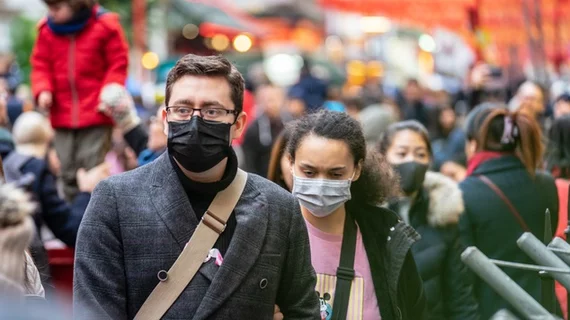
There remains a very small amount of people who have not contracted COVID-19 at some point. But as it turns out, even those individuals likely haven't come out of the pandemic completely scot-free in terms of their brain health.
A new study published in Nature Communications suggests that the pandemic accelerated brain aging in just about everyone, even individuals who have never been infected with the virus themselves. The new data is prompting questions about how stress, isolation and disruption of normal routines affect the brain on a physiological level.
“Apart from the well-documented respiratory and systemic manifestations of SARS-CoV-2, compelling evidence highlights its neurotropic nature, showing high rates of persistent respiratory symptoms, fatigue, depression, post-traumatic stress disorder, and cognitive impairment in COVID-19 survivors,” study leader Ali-Reza Mohammadi-Nejad, PhD, with the National Institute for Health Research (NIHR), Nottingham Biomedical Research Center, and colleagues noted. “Emerging research has revealed potential associations between COVID-19, cognitive decline, brain changes, and the molecular signatures of brain aging.”
Researchers analyzed longitudinal imaging data from the UK Biobank to compare brain health before and after the onset of the pandemic. They included MRI brain scans of a diverse group of individuals, including those who had not contracted the virus at the time of their most recent exam. Cognitive assessments also were available for comparison.
Based on imaging findings in both white and grey matter, the group determined that the pandemic accelerated brain aging by around 5.5 months, even among well matched controls with initially matched brain age gaps. Individuals who were older, who were men and who had more disadvantaged socioeconomic backgrounds appeared to be most vulnerable to the changes.
The accelerated brain age finding was consistent regardless of participants’ history of COVID. However, only those who had contracted the virus performed more poorly on their post-COVID cognitive assessments, especially in flexibility and processing speed tasks.
“Notably, the extent of accelerated brain aging over a matched pre-pandemic control group, observed in grey and white matter, was similar in both non-infected and infected sub-cohorts,” the authors noted. “This highlights the major role of pandemic-related stressors such as anxiety, social isolation, and economic, and health insecurity on brain changes that may be sufficient to explain the observed accelerated brain aging.”
Learn more about the findings here.

In addition to her background in journalism, Hannah also has patient-facing experience in clinical settings, having spent more than 12 years working as a registered rad tech. She began covering the medical imaging industry for Innovate Healthcare in 2021.