
4DMedical lands $100M in new funding to scale functional lung imaging technology
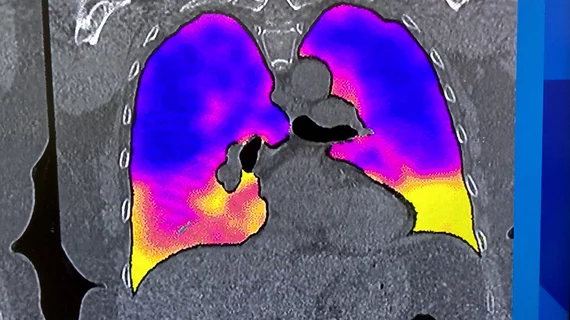
4DMedical has raised more than $100 million to accelerate the expansion of its software-based lung imaging technology in the United States.
The medical technology company announced the funding on Monday, citing the U.S. Food and Drug Administration’s clearance of its CT:VQ platform as the driver. The platform offers hospitals a new way to extract functional respiratory data from routine CT scans; it converts standard chest CT images into quantitative ventilation and perfusion maps. This function is a feature experts have become increasingly interested in post-pandemic.
“This is an extraordinarily important and validating event for multiple reasons,” said Andreas Fouras, PhD, founder and CEO of 4DMedical. “It reflects growing global recognition of the technological leadership of 4DMedical, including our groundbreaking products such as CT:VQ.”
CT:VQ is delivered as a software-as-a-service platform. It analyzes conventional CT scans to generate detailed measurements of how air and blood flow through the lungs. This data can be used to improve diagnoses, treatment planning and longitudinal monitoring of conditions like pulmonary embolism, chronic obstructive pulmonary disease and other respiratory disorders. It achieves this without the need for additional imaging equipment or specialized scanners.
Within four months of receiving FDA clearance, the platform was deployed at four major U.S. academic medical centers—Stanford, Cleveland Clinic, the University of Miami and UC San Diego Health. This, the company has suggested, highlights the growing demand for functional lung imaging.
4D said part of the funding will be used to help hospitals integrate CT:VQ into existing radiology and pulmonary workflows, ensuring that clinicians can use the software consistently. The company also plans to expand its technical and clinical support infrastructure as more organizations integrate the platform into their workflows.
Following the funding round, 4D reported a pro forma cash position of more than $130 million, giving it a financial foundation that can support U.S. commercialization and additional research into new imaging applications. The company also said it will continue to pursue strategic partnerships, including an existing collaboration with Philips, to expand access to its technology across the global imaging market.
“With this strong institutional backing and a strengthened balance sheet, we will scale adoption, accelerate R&D, deepen partnerships, and dominate the global marketplace for software-based lung imaging tools,” Fouras added.
Learn more here.

In addition to her background in journalism, Hannah also has patient-facing experience in clinical settings, having spent more than 12 years working as a registered rad tech. She began covering the medical imaging industry for Innovate Healthcare in 2021.