
FDA denies petition to exempt certain radiology AI devices from premarket review
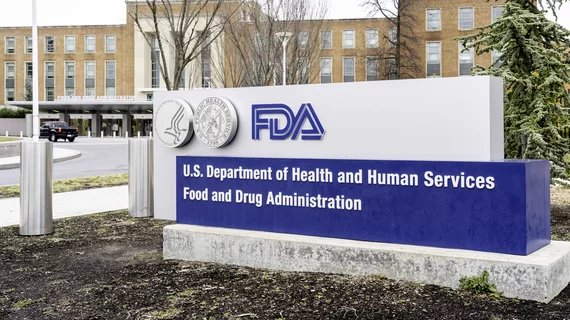
The U.S. Food and Drug Administration has denied a petition that sought to allow certain artificial intelligence-enabled medical devices to forego its premarket review process.
In October, Harrison.ai—an Australia-based AI developer—submitted a citizen petition to the FDA, seeking greater flexibility in the 520(k) clearance process for certain computer-aided detection devices. The company asserted that newer AI products have been built on the same framework as those that preceded them. Thus, they should not require the same review process, Harrison.ai contends, but should instead be subject to rigorous post-market monitoring.
The FDA accepted comments on the matter through the end of February, garnering wide ranging opinions from numerous leaders in the industry, including the American College of Radiology. ACR urged the agency to prioritize patient safety when considering Harrison.ai’s petition, as it would set a standard for the entire industry.
Along with the college, numerous other stakeholders expressed concern for how the exemption could impact patient safety, according to a notice from the FDA.
The FDA said it received over 45 comments, most of which were opposed to the partial exemption proposed in the petition. Comments from opponents cited multiple concerns relating to product quality, patient safety and the rapidly evolving nature of AI. Respondents also expressed concern that post-market surveillance of these products is not well-established. They see potential ramifications from removing federal oversight of high-risk diagnostic software, particularly when it was developed by a foreign entity.
Though some comments supported the petition, citing gaps in AI innovation, adoption and access, the FDA ultimately sided with those citing safety as their primary concern. The petition was denied, but the agency signaled that it is actively working on ways to improve the AI review process.
“FDA intends to continue to consider and develop appropriate approaches to the regulation of digital health technology that advance innovation and protect the public health.”
The full decision can be viewed here.

In addition to her background in journalism, Hannah also has patient-facing experience in clinical settings, having spent more than 12 years working as a registered rad tech. She began covering the medical imaging industry for Innovate Healthcare in 2021.