
Work-from-home mandate led to ‘mass exodus’ of radiologists at 1 health system, OIG says
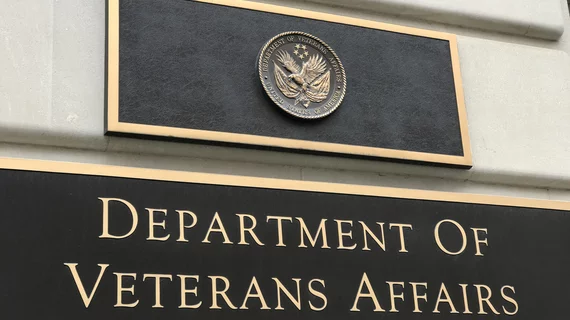
A work-from-home mandate last year led to a “mass exodus” of radiologists from one organization, according to the results of a recently released investigation.
Veterans Affairs launched the probe last August after receiving reports that rad departures were causing care delays and imaging backlogs at the VA Washington DC Healthcare System. Authorities conducted site visits and interviews with stakeholders up through January, releasing their findings this month.
The review has now substantiated claims of an exodus, with most VA D.C. diagnostic radiologists departing between July and December 2025. This subsequently led to service interruptions, including the curtailment of body MRI offerings and a backlog of CT scans.
“Facility leaders created action plans to address staffing shortages and the backlog, which included recruitment of radiologists, use of community care, and the utilization of other Veterans Health Administration radiologists,” the VA Office of the Inspector General said in its summary of the report, released Aug. 5, adding that the CT logjam was resolved by January.
News outlet The American Prospect previously reported news of radiology staffing challenges at the health system in early August. The VA OIG released its findings just days after the exposé was published, the public policy magazine noted in a follow-up report Monday.
The D.C. facility in question served approximately 118,000 unique patients during the 12 months ending on Sept. 30, 2025. It offers radiology imaging services such as MRI and CT, with the system handling nearly 18,000 exams from the two modalities during the same period.
OIG received a confidential complaint about issues at the facility on Aug. 11, 2025. Current VA operating procedures stipulate that timely radiologist interpretation of studies requires that 90% are completed within 2 days and 100% in three days. However, a Jan. 20, 2025, presidential memo, requiring federal employees to return to in-person work, made these goals difficult to achieve.
Most of the facility’s radiologists subsequently resigned during a six-month period, the OIG investigation found. Among them were 4 of 5 full-time facility radiologists, including the chief of radiology, who read body MRI and CT scans. Before January 2025, rads were authorized to work from home several days a week. And while docs were granted exemptions from the WFH mandate, uncertainty on if it would be extended led to rads seeking work elsewhere.
“During an interview, the [Veterans Integrated Service Network] chief medical officer expressed the belief, and facility leaders agreed, that the return to in-person work requirement was the ‘tipping point’ and contributed to the loss of radiologists,” the report noted. “Specifically, the initial message that mandated a return to in-person work, ‘spooked’ the radiologists. Additionally, the VISN chief medical officer did not believe an earlier exemption would have helped.”
The investigation found that facility leaders created action plans to help address the body MRI shutdown and CT backlog. Efforts included accelerating recruitment of fee-based candidates and offering monetary incentives. These radiologists were previously limited by a federal salary cap. But the VA has now worked on pay limit changes, which were slated to go into effect on July 31.
Veterans Health Administration policy requires leaders to report potential harm from incomplete radiologic studies. However, facility leaders did not notify quality management nor locally track incomplete studies, the OIG found. The inspector reviewed a sample of six patient cases, finding concerns relating to delayed imaging studies. A further analysis by VISN leaders showed that no patient harm occurred, with the facility implementing a new process for tracking imaging studies.
From its investigation, the OIG made recommendations including standardizing workflows, improving image sharing, evaluating clinical impacts from delayed radiology services, and reporting potential harm.
“The OIG will monitor implementation and focus its oversight efforts on the effectiveness and efficiencies of programs and services that improve the health and welfare of veterans and their families,” the report’s executive summary concluded.

Marty Stempniak has covered healthcare since 2012, with his byline appearing in the American Hospital Association's member magazine, Modern Healthcare and McKnight's. Prior to that, he wrote about village government and local business for his hometown newspaper in Oak Park, Illinois. He won a Peter Lisagor and Gold EXCEL awards in 2017 for his coverage of the opioid epidemic.