
Lung cancer research calls screening guidelines into question
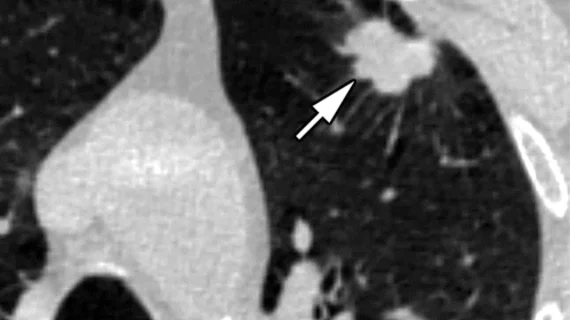
New data suggest that experts and policymakers may need to rethink lung cancer screening strategies.
That’s because lung cancer rates among people with no history of smoking are on the rise. Recent data shared by the National Institutes of Health suggests that 1 out of every 4 lung cancer diagnoses occur in individuals with no history of smoking. This is especially true for Asian women, according to research presented earlier in September during the International Association for the Study of Lung Cancer 2025 World Conference on Lung Cancer.
During the conference, experts shared findings from the Female Asian Nonsmoker Screening Study (FANSS). The results of that study indicated that this specific population of women have lung cancer detection rates similar to or higher than patients considered at high-risk of being diagnosed with the disease.
What’s more, Asian women who do not smoke are twice as likely to be diagnosed with lung cancer compared to non-smoking white women, which may warrant a reconsideration of screening guidelines, experts suggested.
“Our findings show a lung cancer detection rate of 1.3%, which is higher than that reported in the National Lung Screening Trial (NLST) for high-risk smokers,” Elaine Shum, MD, from NYU Perlmutter Cancer Center, said in a release. “These results support the need to reconsider screening guidelines to include never-smoking high-risk groups.”
The FANSS study included 1,000 eligible Asian women between 40 and 74 years old who underwent low-dose CT lung cancer screening. Its authors compared lung cancer detection rates based on Lung-RADS classifications.
The majority of participants had low-risk results, with more than 90% classified as Lung-RADS 1 or 2, while just 2.8% were flagged as Lung-RADS 4. Thirteen participants, or 1.3%, were diagnosed with invasive lung adenocarcinoma, though their tumors were typically detected in early stages. Each of the individuals diagnosed with cancer underwent successful surgery and no lung cancer deaths from the cohort have been reported thus far.
Shum suggested that U.S. lung cancer screening guidelines may need to be revisited, as the FANSS results indicate some women more vulnerable to the disease are being left behind.
“With continued follow-up and pending biomarker analysis, FANSS may provide the data needed to expand evidence-based screening recommendations for non-smoking populations,” Shum added.

In addition to her background in journalism, Hannah also has patient-facing experience in clinical settings, having spent more than 12 years working as a registered rad tech. She began covering the medical imaging industry for Innovate Healthcare in 2021.