Diagnostic screening programs help catch cancer, abnormalities or other diseases before they reach an advanced stage, saving lives and healthcare costs. Screening programs include, lung, breast, prostate, and cervical cancer, among many others.
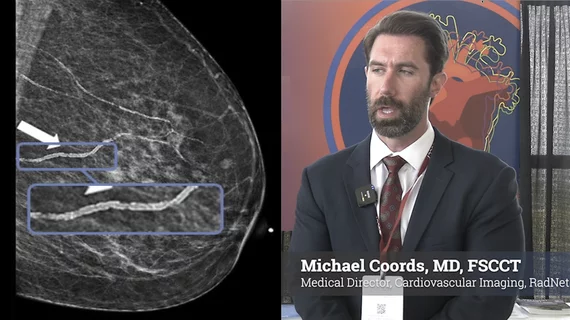
The law reflects growing interest in using existing imaging studies to identify cardiovascular disease risk without requiring additional scans, radiation exposure or costs.
New research could provide useful information for cancer registries and potentially help policymakers better evaluate screening outcomes to develop more effective guidelines.
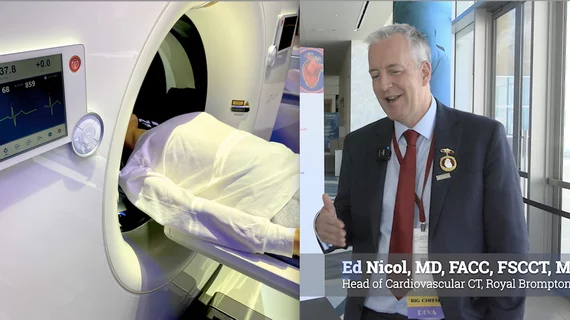
Former SCCT president Ed Nicol, MD, knows there has been interest in the potential of automated CT exams. However, he isn't so sure they are possible at this point in time for a number of reasons.
Breast cancer kills more women worldwide than any other cancer, but a new report published in the New England Journal of Medicine says recent studies suggest regular mammography can reduce the mortality risk by 40 percent.
A significant amount of misses and major reporting mistakes occur when radiologists increase imaging reporting speeds, according to results of a study published online May 21 in the Journal of the American College of Radiology.
It seems we are starting to see the debate over appropriate supplemental screening for breast cancer with a little more focus and a clearer picture of who would benefit most, thanks to some interesting new research.
Breast density notification laws have taken hold in 22 states and counting, yet questions remain about which patient should receive supplemental cancer screening. A newly published study this week has shed some light on the issue, showing that not all women with dense breast are at high risk for breast cancer.
An analysis by Alavere Health estimates that new recommendations from the United States Preventative Services Task Force (USPSTF) could cause 17 million women to lose guaranteed coverage of preventive breast cancer screenings.
MRI can offer information about a patient’s future risk of developing breast cancer, which in turn could help doctors personalize screening and prevention measures for high-risk women, according to results of a study published online May 12 in Radiology.
A recent study has shown that FDG PET/CT, while useful for systemic staging of stage III ductal breast cancer, adds little to the systemic staging of invasive lobular breast cancer (ILC).
Volpara Solutions today announced the release of VolparaDensity version 3.1 here at the Society of Breast Imaging’s SBI/ACR Breast Imaging Symposium in Orlando, Fla., April 25-28, 2015 (SBI Booth #214).