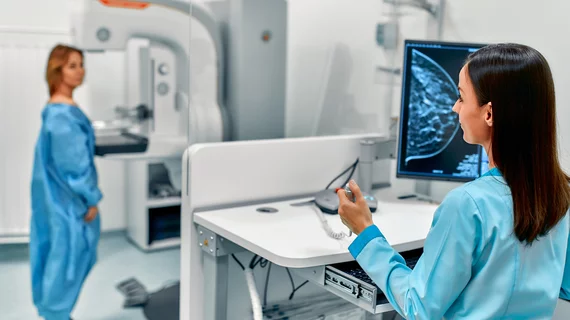
Diagnostic screening programs help catch cancer, abnormalities or other diseases before they reach an advanced stage, saving lives and healthcare costs. Screening programs include, lung, breast, prostate, and cervical cancer, among many others.
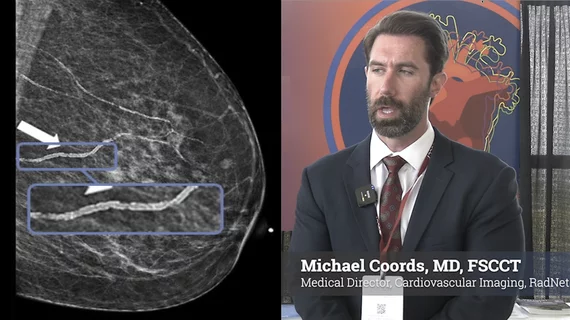
The law reflects growing interest in using existing imaging studies to identify cardiovascular disease risk without requiring additional scans, radiation exposure or costs.
New research could provide useful information for cancer registries and potentially help policymakers better evaluate screening outcomes to develop more effective guidelines.
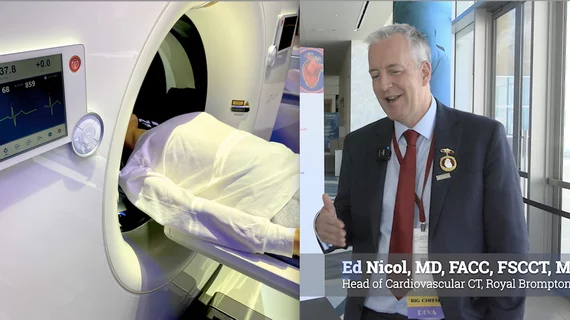
Former SCCT president Ed Nicol, MD, knows there has been interest in the potential of automated CT exams. However, he isn't so sure they are possible at this point in time for a number of reasons.
Automated breast volume scanning (ABVS) is an effective adjunct screening tool to mammography and sonography, according to a study published online Jan. 22 in Academic Radiology.
Non-enhanced CT (NECT) scans searching for renal colic turn up clinically important incidental findings in more than one-in-eight cases, according to a study published in the January edition of the Journal of the American College of Radiology.
Information about CT and radiation risks found on Twitter are largely concerned or unfavorable, according to a study published in the January issue of the American Journal of Roentgenology.
Digital breast tomosynthesis (DBT) has the potential of saving patients and payers more than $500 million each year, according to a study published Jan. 12 in ClinicoEconomics and Outcomes Research.
CT scans may not be the most effective tool for examining emergency department (ED) patients complaining of dizziness or fainting, according to a study published online this month in the American Journal of Roentgenology.
Women who received sample breast density notifications were more likely to undergo breast cancer screenings, according to a new study published online Nov. 4, 2014, in the Journal of the American College of Radiology.
The FDA has approved Bayer’s Gadavist (gadobutrol) injection as the first MRI contrast agent for pediatric patients younger than two years of age, including term neonates.
Electromagnetic tracking guidance during CT-guided liver biopsies reduced the number of scans needed and reduced patient radiation, according to a study published in this month’s American Journal of Roentgenology.