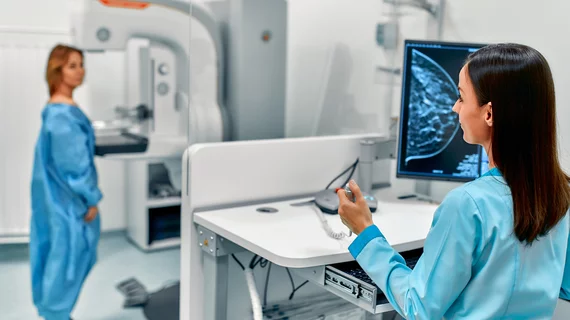
Diagnostic screening programs help catch cancer, abnormalities or other diseases before they reach an advanced stage, saving lives and healthcare costs. Screening programs include, lung, breast, prostate, and cervical cancer, among many others.
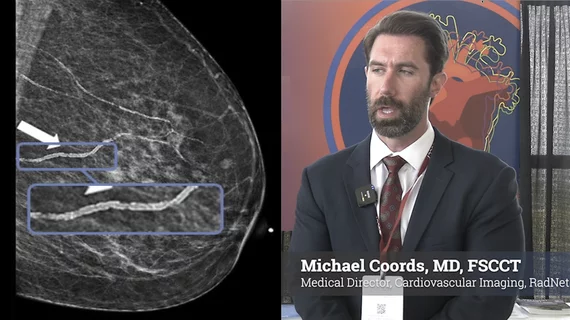
The law reflects growing interest in using existing imaging studies to identify cardiovascular disease risk without requiring additional scans, radiation exposure or costs.
New research could provide useful information for cancer registries and potentially help policymakers better evaluate screening outcomes to develop more effective guidelines.
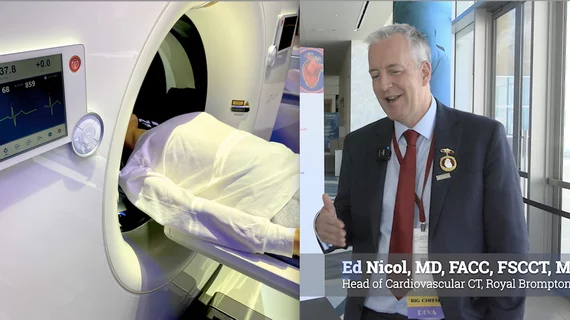
Former SCCT president Ed Nicol, MD, knows there has been interest in the potential of automated CT exams. However, he isn't so sure they are possible at this point in time for a number of reasons.
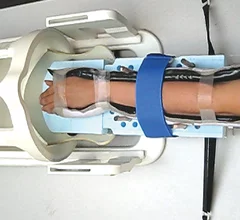
Clear Image Devices LLC (CiD) announces the release of a new ultrasound step platform to be used to examine the upper and lower leg for standing venous insufficiency studies.
Researchers found increases in image noise equivalent to a 50 percent reduction in patient radiation dose on low-contrast liver CT scans can be achieved without substantially affecting sensitivity, according to a study published in the October issue of Academic Radiology.
The e-book version of the fifth edition of the American College of Radiology (ACR) Breast Imaging Reporting and Data System (BI-RADS) Atlas is now available.
CT scans done with intravenous contrast material did not increase the incidence of death or of contrast-induced kidney damage, even in patients with a pre-existing condition, according to a study published online in Radiology.