
Study identifies gaps in sustainable use of iodinated contrast
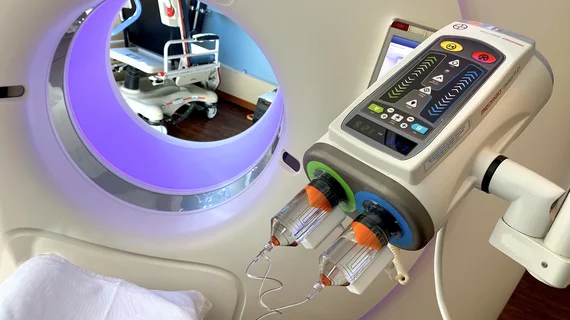
The majority of healthcare professionals acknowledge the environmental impact of using iodinated contrast media, but inconsistent policies remain barriers to more sustainable practices.
That’s according to new research published in Insights Into Imaging, which is based on a survey of hundreds of healthcare professionals worldwide, exploring their sustainability protocols. The responses were telling, revealing that although professionals want to reduce their departments’ carbon footprint, policies appear to be standing in the way.
“Supply issues when combined with the continuing rise in iodine utilization has made ... sustainability a frequently debated topic; a further concern is the environmental impact of waste [iodinated contrast media] or related products,” Andrew England, with the med school at University College Cork in Ireland, and colleagues noted. “Wastage from single-use items, leftover [iodinated contrast media], with discharge recorded in waste and drinking water are further key environmental themes, as is the carbon cost of ... manufacturing.”
The cross-sectional study surveyed 231 healthcare professionals across 44 countries between June and December 2024. Published findings examined respondents’ knowledge, attitudes and practices related to contrast media sustainability, such as waste management, strategies to reduce contrast use, patient education and institutional policies. Diagnostic radiographers accounted for 59% of respondents, while radiologists represented 38%.
Although 60% of respondents reported that their institutions had sustainability policies for iodinated contrast media, implementation of specific reduction strategies varied significantly across institutions. These approaches included protocol optimization, saline chasers and multi-patient contrast delivery systems. Institutional size also was significantly associated with sustainability-goal alignment, with larger hospitals appearing more likely to encourage such measures.
Waste management emerged as a significant concern. About 26% of respondents reported never engaging in iodinated contrast media waste management practices, highlighting inconsistencies in how sustainability measures are applied in clinical settings. Some responses suggested that their organization’s policies are not well-enforced.
Younger professionals (ages 25 to 44) reported greater engagement with contrast reduction strategies. This finding suggests that targeted education and support could help encourage wider adoption among older staff.
The findings support cross-institutional efforts to develop more consistent policies pertaining to contrast management, the research team contends.
“Variability across institutions, professions, and countries highlights the need for harmonized policies and resource-sensitive implementation strategies. Strengthening institutional frameworks, fostering international collaboration, and engaging patients and professionals alike are essential to safeguard [iodinated contrast media] supply, mitigate environmental risks, and promote sustainable radiology practice,” the authors concluded.
Read more here.

In addition to her background in journalism, Hannah also has patient-facing experience in clinical settings, having spent more than 12 years working as a registered rad tech. She began covering the medical imaging industry for Innovate Healthcare in 2021.