
Radiologist to lead new research on blast injuries in service members
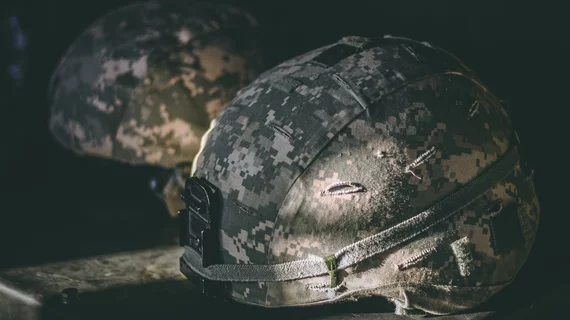
A radiologist at the University of Virginia School of Medicine is spearheading a new study to improve our understanding of difficult-to-detect head injuries in military servicemen.
The study, which will be funded by a $2.3 million grant from the United States Department of Defense, will harness the power of advanced MRI technology to visualize the brain in a way that has not previously been possible. Prior research has indicated that soldiers exposed to blasts while in the military have distinct scarring patterns caused by glial cells of the central nervous system known as astrocytes. This damage currently cannot be visualized on imaging; it is discovered after a soldier’s death when the brain is examined under a microscope, making it impossible for providers to effectively address any potential symptoms the damage may cause.
James R. Stone, MD, PhD, a UVA Health radiologist, is hopeful that advanced MRI technology could change that.
“Repeated low-level blast exposure poses a significant risk to our service members,” Stone, who is leading the research, said. “With advanced MRI, we hope to move beyond the limitations of standard scans to detect the subtle brain changes caused by these exposures. Our ultimate goal is to speed up diagnosis and ensure service members get the care and protection they deserve.”
The team will be using a Siemens CIMA.X MRI scanner. The powerful system will enable researchers to apply molecular imaging probes, allowing them to visualize cellular and molecular alterations caused by blast injuries. Currently, these changes are not visible on routine neuroimaging exams.
The study will get started later this year and take around three years to complete. Sixty service members, each of whom have been subjected to blast exposures, will undergo imaging and a series of neuropsychiatric assessments. Stone is hopeful his team’s work will uncover new information that can be used to develop more effective treatment methods for head injuries, in addition to helping guide protocols related to blast exposure threshold limits.

In addition to her background in journalism, Hannah also has patient-facing experience in clinical settings, having spent more than 12 years working as a registered rad tech. She began covering the medical imaging industry for Innovate Healthcare in 2021.