
Ultraprocessed foods may degrade muscle health, new MRI findings suggest
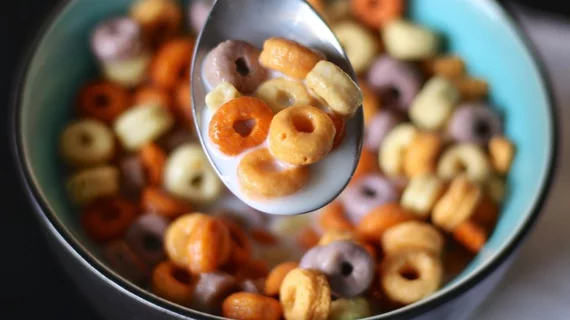
New MRI findings suggest that high consumption of ultraprocessed foods could increase the risk of developing osteoarthritis.
Ultraprocessed foods contain chemicals and other artificial ingredients that extend a product’s shelf life. These foods, which often contain high amounts of sugar, salt, carbohydrates and fat, have become increasingly popular over the last couple of decades. Interestingly, rates of obesity have risen alongside the rise of ultraprocessed food sales.
A relationship between these products and adverse cardiometabolic issues is well established, but new data published in RSNA’s flagship journal Radiology suggest that high consumption of these foods could also lead to increased levels of fat within the muscle tissue of the thigh, which could raise the risk of osteoarthritis of the knee.
“Over the past decades, in parallel to the rising prevalences of obesity and knee osteoarthritis, the use of natural ingredients in our diets has steadily diminished and been replaced by industrially processed, artificially flavored, colored and chemically altered food and beverages, which are classified as ultraprocessed foods,” explained the study’s lead author, Zehra Akkaya, MD, a researcher and consultant for the Clinical & Translational Musculoskeletal Imaging group at University of California, San Francisco.
Akkaya and colleagues recently conducted an imaging-based, cross-sectional analysis of the relationship between ultraprocessed food consumption and intramuscular fat in the thigh. The team had a group of 615 patients who participated in the initiative undergo MRI scans of the thigh to calculate their Goutallier grades—a metric used to quantify fatty infiltration of the muscle.
To be eligible, participants had to be considered at risk of OA, but without radiographic evidence of the condition’s development. Participants’ self-reported dietary habits were compared alongside the scans to determine whether a relationship existed between ultraprocessed food intake and higher amounts of fat in their muscle tissue.
Overall, the group determined that approximately 41% of the food consumed by participants during the 12 months prior to their scans qualified as ultraprocessed. Those who reported higher intake of these products showed larger quantities of intramuscular fat on imaging. This finding was consistent regardless of their caloric intake or level of physical activity.
These findings suggest that higher intake of ultraprocessed foods can lead to the degradation of muscle quality which, in turn, increases the risk of developing OA of the knee.
“This research underscores the vital role of nutrition in muscle quality in the context of knee osteoarthritis,” Akkaya said. “Addressing obesity is a primary objective and frontline treatment for knee osteoarthritis, yet the findings from this research emphasize that dietary quality warrants greater attention, and weight loss regimens should take into account diet quality beyond caloric restriction and exercise.”
Read more about the group’s research here.

In addition to her background in journalism, Hannah also has patient-facing experience in clinical settings, having spent more than 12 years working as a registered rad tech. She began covering the medical imaging industry for Innovate Healthcare in 2021.