
Some PET exams may be overutilized in oncology
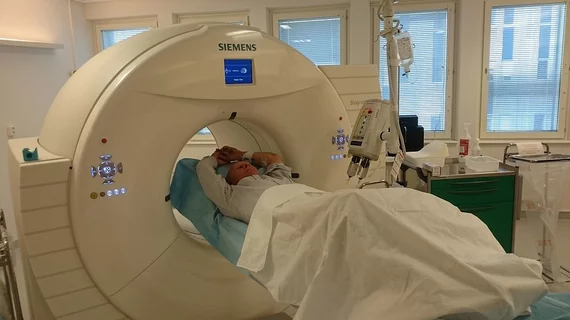
New data suggest that 18F-FDG PET/CT imaging may be significantly overutilized in oncology.
The use of these exams has grown significantly in recent years. In 2020 alone, there were more than 2 million 18F-FDG PET/CT scans conducted in the United States. They are beneficial for both diagnosing and staging cancer, but a new study indicates the exams might be used in instances when other tests would suffice instead.
Experts detailed their findings last week in Clinical Imaging.
“The use of 18F-FDG PET/CT is recommended by major oncological guidelines, including the National Comprehensive Cancer Network guideline and the American Society of Clinical Oncology guideline, for various purposes including diagnosis, staging, restaging, and response assessment,” Qianrui Li, with the department of nuclear medicine, West China Hospital, and colleagues noted. “However, when used inappropriately, 18F-FDG PET/CT scans can harm individual patients by leading to various consequences, such as unnecessary radiation exposure and invasive procedures, overdiagnosis, overtreatment, patient anxiety, and increased costs than benefits. It also harms healthcare systems by increasing spending.”
The group analyzed nearly 1,000 oncological 18F-FDG PET/CT scans conducted throughout 2022 at a hospital in China to identify patterns in requisitions for the exam, in addition to their diagnostic yield. Two nuclear medicine experts assessed the appropriateness of the studies using NCCN guidelines as reference.
Of the 900 scans included in the analysis, nearly 30% were deemed potentially inappropriate. Exams to evaluate cancers of the genitourinary and digestive systems were more likely to be considered inappropriate, while those ordered to assess cancers of the circulatory system were more likely to yield positive results.
The team determined that many of the patients could have undergone screening exams for specific cancers instead of PET imaging, as those exams often provided similar diagnostic information. Age, gender, setting (inpatient/outpatient) and the specialty of the ordering physician were not found to impact the likelihood of inappropriate imaging use.
Although a myriad of patient and provider-related factors contribute to imaging overuse, the authors suggested that education and guidelines specific to the issue would be the most effective means of reducing inappropriate requisitions.
“This is also consistent with our findings, that indications with insufficient evidence and guidance for practice were more likely to be associated with overuse, while the demographics of patients did not play important role in 18F-FDG PET/CT overuse,” the authors noted. “Developing high-quality evidence and evidence-based guideline recommendations with necessary details for the indications of 18F-FDG PET/CT are potentially effective methods to reduce overuse.”
Read more here.

In addition to her background in journalism, Hannah also has patient-facing experience in clinical settings, having spent more than 12 years working as a registered rad tech. She began covering the medical imaging industry for Innovate Healthcare in 2021.