
Treatment-related cancers on the rise, new study suggests
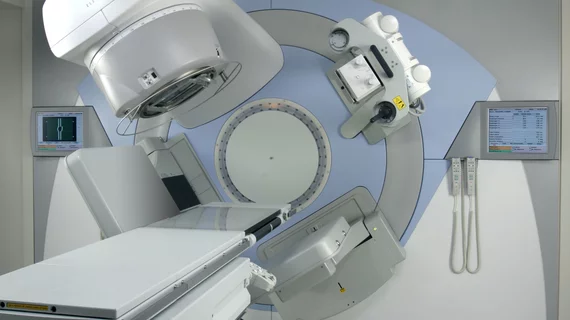
Although the number of cancer survivors has increased over the last three decades, the amount of radiation treatment-related cancers has been climbing, too, according to new data out of Japan.
Therapy-related acute myeloid leukemia is an aggressive form of blood cancer and bone marrow that occurs in the years following radiation and chemotherapy used to treat primary cancers. This is likely due to DNA damage that is sustained during said treatments, which have been increasingly utilized over the last several years. With the increase, however, comes the risk of secondary cancer.
“The clinical relevance of therapy-related acute myeloid leukemia is increasing as the number of cancer survivors increases,” lead author Kenji Kishimoto, MD, PhD, of the Osaka International Cancer Institute, and colleagues explained. “The aim of this study was to determine the changes in the incidence and primary cancers of tAML over 30 years in a population-based setting in Japan.”
Experts recently analyzed three decades’ worth of data from the Osaka Cancer Registry to determine how the rise in radiation and chemotherapies have impacted rates of therapy-related acute myeloid leukemia. Focusing on cases diagnosed between 1990 and 2020, experts were able to review the circumstances surrounding diagnoses for nearly 10,000 patients, including the type of cancer that preceded their secondary diagnosis.
Of the 9,841 patients with leukemia, 636, or 6.5% had the therapy-related version. The yearly incidence rate more than doubled throughout the timeframe studied, rising from 0.13 to 0.36 per 100,000 individuals.
In terms of the type of cancer that preceded a therapy-related acute myeloid leukemia diagnosis, hematological cancers accounted for the most, at 23.1%, followed by breast cancer (14.6%), colorectal cancer (11.5%) and gastric cancer (8.7%). However, this metric shifted during the more recent years from the study timeframe, with rates of therapy-related acute myeloid leukemia occurring more frequently after breast cancer treatment and declining in gastric cancers.
“The study provides an important step towards better understanding how the nature of tAML is changing with the increasing number of cancer survivors,” the authors noted.
Read more here.

In addition to her background in journalism, Hannah also has patient-facing experience in clinical settings, having spent more than 12 years working as a registered rad tech. She began covering the medical imaging industry for Innovate Healthcare in 2021.