Black and Hispanic individuals—known to be at greater risk of developing the degenerative disease—are significantly less likely than others to show Alzheimer’s pathology on brain scans, according to new research.
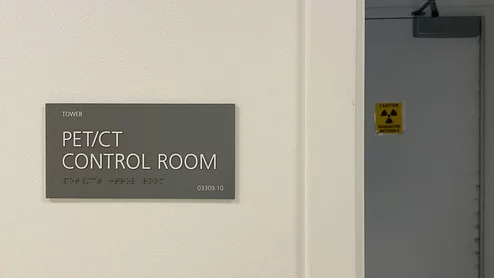
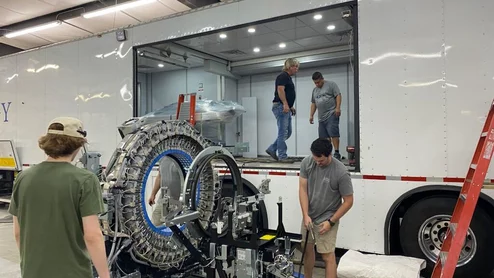
Currently, the organization relies on a mobile PET unit that parks once every week. However, demand has grown for PET/CT in the area, rising by around 60% over the last three years alone.
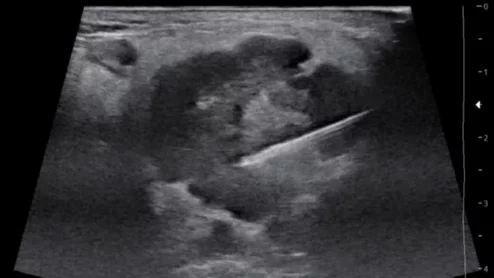
Vibrating at up to 30,000 times per second, the sonographic device helps tissue to detach more easily without inflicting a large puncture wound to collect an adequate amount of tissue.
The REVEAL study has been assessing the sensitivity and specificity of iodine 124 evuzamitide (I 124 evuzamitide), a PET agent capable of visualizing signs of cardiac amyloidosis on imaging.
Medline already had to recall millions of syringes due to a significant safety risk. Now, multiple procedure kits that include the devices are also being recalled. The issue has been associated with four serious injuries.
“Dr. Saphier would be a catastrophic mistake on messaging and communicating with MAHA at a time where the coalition is very fragile,” one opponent says.
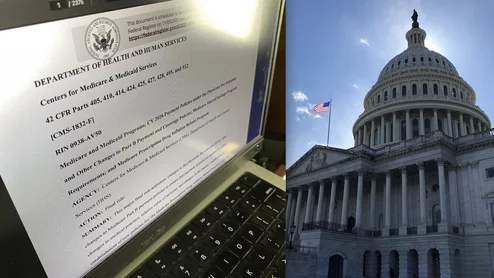
The American Society of Nuclear Cardiology visited Capitol Hill to advocate for a variety of issues. Cardiovascular Business spoke to the group's president to learn more.





![A majority of medical devices involved in Class I recalls were never required by the U.S. Food and Drug Administration (FDA) to undergo premarket or postmarket clinical testing, according to new research published in Annals of Internal Medicine.[1]](/sites/default/files/styles/stack_views/public/2024-09/istock-1209664264.jpg.webp?itok=MzQCOefT)