Compared with postoperative stereotactic radiation therapy, an investigational intraoperative RT approach could significantly reduce local tumor recurrence and improve survival in patients with newly diagnosed operable brain metastases.
New findings could shift the standard approach to preventing brain metastases in SCLC, particularly as modern MRI allows clinicians to detect and treat brain disease earlier.
The imaging agent could potentially help doctors characterize a malignancy's aggression and identify lesions with a higher likelihood of invasion or metastasis.
A new review led by UCLA researchers examines the utility of commercially available AI tools for screening mammography and evidence surrounding their ability to detect interval cancers.
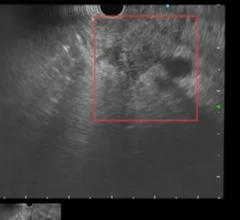
Endoscopic ultrasonography has emerged as a valuable tool for diagnosing pancreatic cancer, but its specificity in differentiating between benign and malignant pancreatic lesions varies.
That’s according to new PET imaging that shows the presence of activated T cells in the brain, spinal cord, gut and lung tissues of individuals who have recovered from COVID.
Between the ages of 8 and 12, MRI scans of children with ADHD show significantly lower cerebral blood flow in regions of the brain known to be related to attention, motor skills, executive function and impulsivity.