Compared with postoperative stereotactic radiation therapy, an investigational intraoperative RT approach could significantly reduce local tumor recurrence and improve survival in patients with newly diagnosed operable brain metastases.
New findings could shift the standard approach to preventing brain metastases in SCLC, particularly as modern MRI allows clinicians to detect and treat brain disease earlier.
The imaging agent could potentially help doctors characterize a malignancy's aggression and identify lesions with a higher likelihood of invasion or metastasis.
A new review led by UCLA researchers examines the utility of commercially available AI tools for screening mammography and evidence surrounding their ability to detect interval cancers.
By binding the substance to a radiotracer, experts were able to improve the accuracy of identifying these tumors by as much as 30% compared to the standard of care.
Researchers examined the brains of bilingual and monolingual people using fMRI, only to find improved communication between isolated regions in those who learn a second language at a young age.
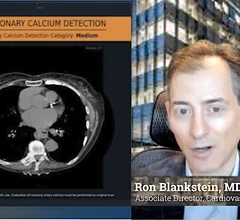
Ron Blankstein, MD, professor of radiology, Harvard Medical School, explains the use of artificial intelligence to detect heart disease in non-cardiac CT exams.
The popular AI chatbot tends to over-order X-rays, prescribe too many antibiotics and admit too many patients to the hospital when compared with a resident emergency department physician.