
'Revolutionary' mobile imaging pilot program excels at preventing unnecessary ED visits
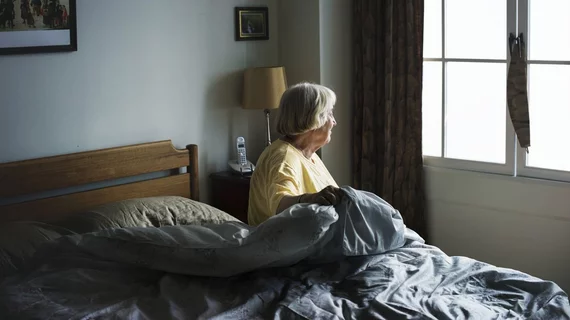
A pilot project involving portable imaging in patients’ homes following injuries has been a game changer for one community in England.
The program pairs an experienced radiographer with an advanced paramedic practitioner, who jointly review 999 (or 911 in the United States) calls to determine whether a patient might need urgent imaging after a fall. When appropriate, the duo will join EMTs at the patient’s home and conduct imaging using a small portable device (Fuji Xair). Images are immediately transmitted to a local hospital, where they are reviewed by a provider who determines whether the patient needs to come into the emergency room for further evaluation. Staff involved in the operation thus far say the X-rays acquired in patients' homes are similar in quality to those taken in hospitals.
Launched in July, the program initially was set to run two days a week through October. However, after early success, it has been expanded to five days a week for an additional four months. The pilot prevented 25 out of the 38 patients who were seen in their home from having to go to the hospital—something that saves both patients and organizations time and money.
The pilot is the result of a collaboration between Ashford and St Peter’s Hospitals NHS Foundation Trust and South East Coast Ambulance Service (SECAmb). Andrew Moth, a consultant radiographer at Ashford and St Peter’s Hospitals, co-created the project. Moth describes its impact so far as “revolutionary.”
“It’s been very successful, and is a revolutionary service, the first of its kind in the U.K. where a radiographer works alongside an advanced paramedic practitioner,” Moth said.
“For some patients, there can be risks or upset caused by going into hospital. It can be a big change in the routine of someone with dementia, for example,” James Fern, an advanced paramedic practitioner at SECAmb, and co-creator added. “Being treated at home helps reduce patient anxiety. If they went into hospital, they would still get the same package of care but this way they are getting it in the comfort of their own home.”

In addition to her background in journalism, Hannah also has patient-facing experience in clinical settings, having spent more than 12 years working as a registered rad tech. She began covering the medical imaging industry for Innovate Healthcare in 2021.