Radiologists use diagnostic imaging to non-invasively look inside the body to help determine the causes of an injury or an illness, and confirm a diagnosis. Providers use many imaging modalities to do so, including CT, MRI, X-ray, Ultrasound, PET and more.
Chest CT is routinely performed for things like lung cancer screening, coronary calcium assessment and pulmonary nodule surveillance, but the modality also can be used to extract additional information.
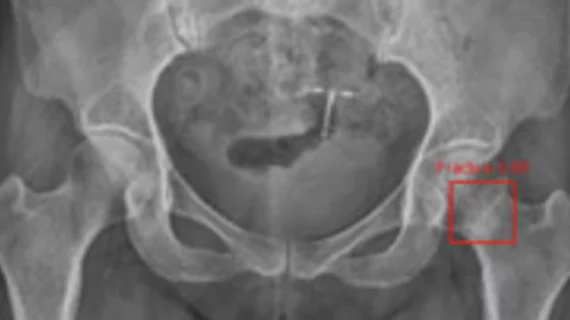
By highlighting subtle abnormalities that could otherwise be overlooked, an algorithm could potentially serve as an additional safety net when radiographic findings are indeterminate.
Afforded a $468,000 research grant, Fischer Imaging Corp. will collaborate with Philips Medical Systems' ultrasound business in Bothell, Wash., to arrange development studies for an integrated ultrasound and digital mammography system.
Medication errors will reduce as information technology (IT) implementations increase, healthcare professionals opined in a new study released by the Healthcare Information and Management Systems Society (HIMSS) and sponsored by the Information Solutions
More than 300 physicians and healthcare technology professionals are expected to attend the National Conference on m-Health and EOE Sept. 8 through Sept. 10 in Minneapolis.
The Emerging Technologies and Healthcare Innovations Congress (TETHIC) comes to Washington, D.C., this month, as more than 125 healthcare leaders address many of today's top issues in more than 70 sessions.
Planning to provide more support to its clinical users, Swissray International Inc. announced a broad expansion of service and applications support groups in the United States.