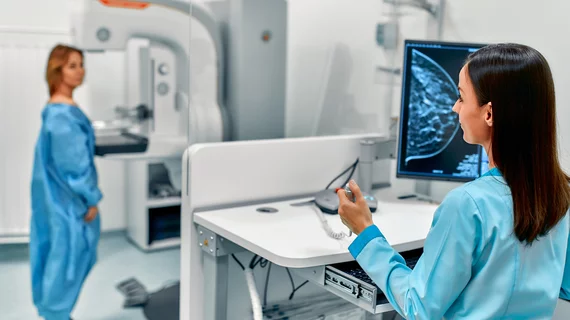
Diagnostic screening programs help catch cancer, abnormalities or other diseases before they reach an advanced stage, saving lives and healthcare costs. Screening programs include, lung, breast, prostate, and cervical cancer, among many others.
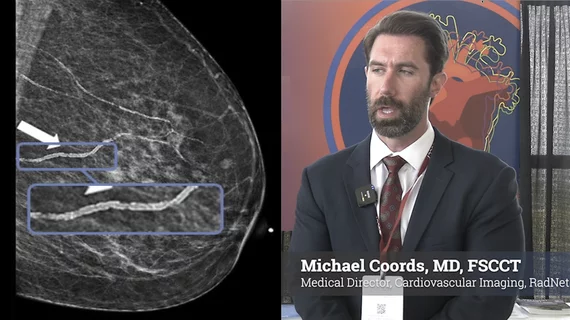
The law reflects growing interest in using existing imaging studies to identify cardiovascular disease risk without requiring additional scans, radiation exposure or costs.
New research could provide useful information for cancer registries and potentially help policymakers better evaluate screening outcomes to develop more effective guidelines.
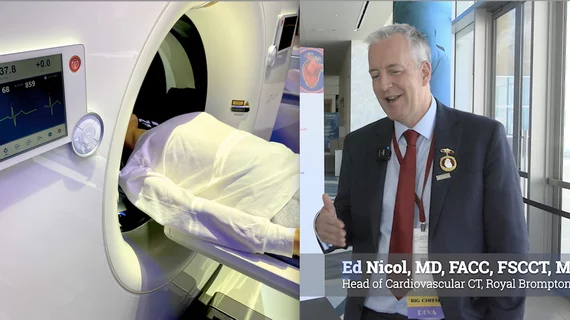
Former SCCT president Ed Nicol, MD, knows there has been interest in the potential of automated CT exams. However, he isn't so sure they are possible at this point in time for a number of reasons.
Although findings from the 2011 National Lung Screening Trial have prompted many U.S. health organizations to endorse the use of low-dose chest CT to screen for lung cancer, research published in the American Journal of Roentgenology revealed almost 98 percent of online patient education materials outlining the benefits and risks of lung cancer screenings do not meet national literacy recommendations.
Researchers from VU Medical Center in Amsterdam demonstrated that implementing amyloid PET imaging as a diagnostic tool in daily clinical practice and not just in clinical research cohorts may be associated with changes in diagnosis and treatment for dementia patients, according to new research published June 11 in JAMA Neurology.
Children with chronic kidney disease may have an increased risk of cognitive impairment due to major blood flow changes occurring in the brain, according to research published June 12 in Radiology.
Though many single-arm studies using "surrogate markers" have predicted CT screening can reduce lung cancer mortality by 80 percent, randomized clinical trials with larger population cohorts have found such screening has reduced mortality by less than 20 percent.
First lady Melania Trump, 48, benefited from a run-in with interventional radiology Monday morning after undergoing surgery for a benign kidney condition, according to a statement from the White House.
A combination of positive results of flutemetamol F 18–labeled PET data, low hippocampal volume and cognitive status is associated with a higher risk of progression from amnestic mild cognitive impairment (aMCI) to Alzheimer's disease within three years.
Australian researchers found cardiac MRI an accurate method of diagnosing mid-cavity variant Takotsubo cardiomyopathy (TCM)—a rare acute coronary syndrome also known as "broken heart syndrome"—in a case study published in Current Problems in Diagnostic Radiology.