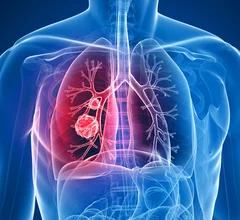
Diagnostic screening programs help catch cancer, abnormalities or other diseases before they reach an advanced stage, saving lives and healthcare costs. Screening programs include, lung, breast, prostate, and cervical cancer, among many others.
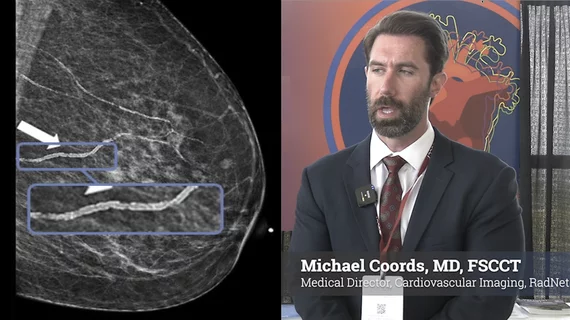
The law reflects growing interest in using existing imaging studies to identify cardiovascular disease risk without requiring additional scans, radiation exposure or costs.
New research could provide useful information for cancer registries and potentially help policymakers better evaluate screening outcomes to develop more effective guidelines.
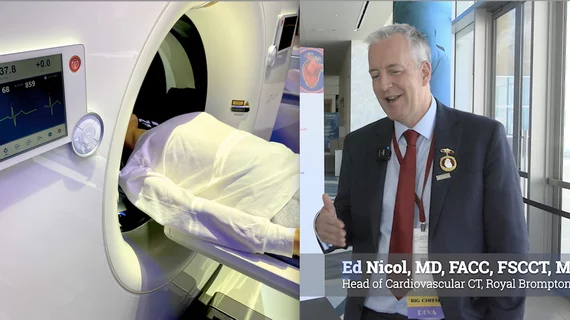
Former SCCT president Ed Nicol, MD, knows there has been interest in the potential of automated CT exams. However, he isn't so sure they are possible at this point in time for a number of reasons.
In an article in Essence, Williams explained that black women are more likely to die during pregnancy or childbirth because doctors don't take their concerns seriously. She cited her own experience when she requested a CT scan.
Three London hospitals are planning to condense the time necessary to be screened for prostate cancer from six weeks to a matter of days under the supervision of the National Health Service England.
In a recent lawsuit, Fujifilm Holdings has accused Hologic with misuse of its patents and litigation, according to an article by Bloomberg.
Research published online March 2 in Radiology found digital breast tomosynthesis (DBT) and 2D synthetic mammography (SM) screening more effective in detecting histologically favorable tumors than digital mammography (DM) alone.
Recent research published in Current Problems in Diagnostic Radiology suggests new strategies in thyroid fine needle aspiration to avoid biopsies may be safer and more cost- effective in older patients.
A 15-year-old teen has made national headlines being told he had the flu when it was really stage 4 cancer, according to a recent article by CBS News.
A study in the March issue of the American Journal of Roentgenology found that minority, socioeconomically disadvantaged and high-risk populations may be more prone to developing late-stage and aggressive lung cancers than more privileged communities.