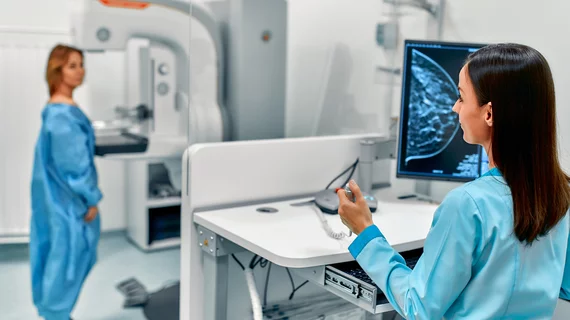
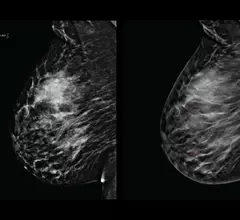
Diagnostic screening programs help catch cancer, abnormalities or other diseases before they reach an advanced stage, saving lives and healthcare costs. Screening programs include, lung, breast, prostate, and cervical cancer, among many others.
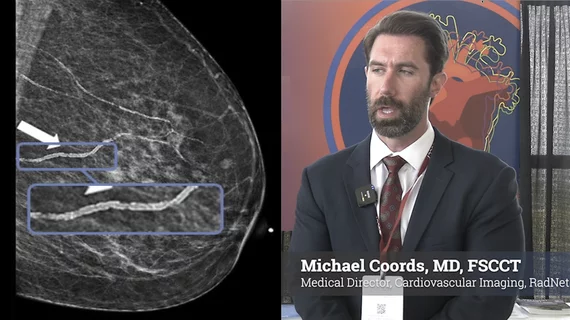
The law reflects growing interest in using existing imaging studies to identify cardiovascular disease risk without requiring additional scans, radiation exposure or costs.
New research could provide useful information for cancer registries and potentially help policymakers better evaluate screening outcomes to develop more effective guidelines.
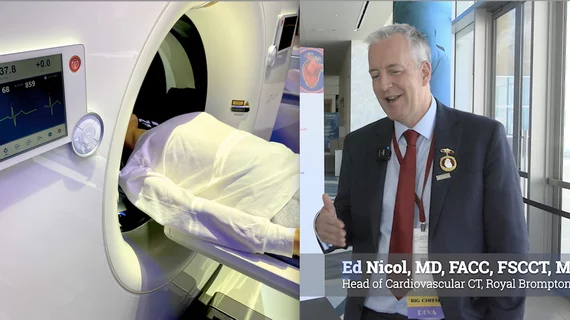
Former SCCT president Ed Nicol, MD, knows there has been interest in the potential of automated CT exams. However, he isn't so sure they are possible at this point in time for a number of reasons.
When the American Cancer Society (ACS) announced this week it had shifted its recommendations for mammography, it was sure to prompt a flurry of responses.
The American Cancer Society (ACS) has issued new recommendations for screening mammography, urging women of average risk to get annual mammograms starting at age 45, rather than age 40.
Radiologists have been called to communicate directly with patients in order to raise visibility for the specialty and improve care for patients. One Florida breast imaging center is taking this idea to heart.
Pennsylvania Gov. Tom Wolf announced additional charges for tomosynthesis would no longer be assessed to patients in the state. In response, the editorial board of the Reading Eagle newspaper gave the move “an absolute thumbs-up.”
Efforts to curb the overutilization of imaging have been a topic of discussion for a number of years, spurred by the growth of imaging in the mid-2000s. But what can’t be forgotten is the value imaging brings to patient care.
Another study has found reduced recall rates, along with increased cancer detection, for patients who undergo 3D digital breast tomosynthesis (DBT) rather than standard 2D mammography at screening.