Diagnostic screening programs help catch cancer, abnormalities or other diseases before they reach an advanced stage, saving lives and healthcare costs. Screening programs include, lung, breast, prostate, and cervical cancer, among many others.
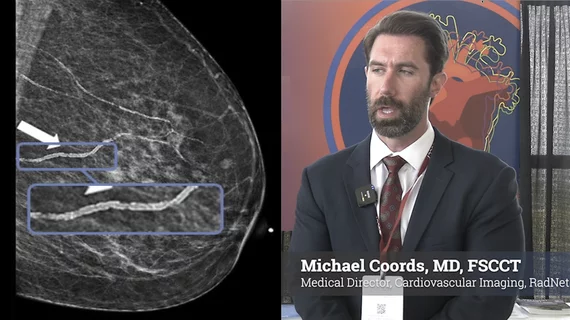
The law reflects growing interest in using existing imaging studies to identify cardiovascular disease risk without requiring additional scans, radiation exposure or costs.
New research could provide useful information for cancer registries and potentially help policymakers better evaluate screening outcomes to develop more effective guidelines.
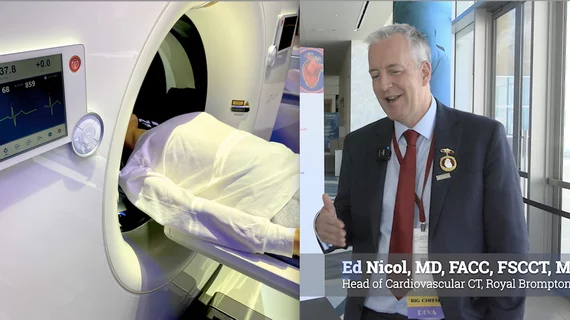
Former SCCT president Ed Nicol, MD, knows there has been interest in the potential of automated CT exams. However, he isn't so sure they are possible at this point in time for a number of reasons.
Visbion are delighted to announce that they have developed a new and innovative solution for the national breast screening programme. The service provides transfer of digital images; a real-time worklist on the x-ray unit in the van and live access to the Trust NBSS system.
An innovative, seven-minute MR scanning technique using no contrast has shown promise in ruling out malignancy—and thus averting unneeded biopsies—when deployed after regular screening mammography brings back troubling lesions.
The American College of Radiology (ACR), Society of Breast Imaging (SBI) and major medical organizations experienced in breast cancer care continue to recommend that women start getting annual mammograms at age 40.
Prospective trials comparing clinical outcomes of occasionally screened low-risk women with outcomes of low-risk women screened annually may overlook or misidentify breast cancers that exist but haven’t advanced, according to a new editorial.
Carestream Health will demonstrate its Touch Ultrasound platform that offers features designed to address current challenges in sonography at the Society of Diagnostic Medical Sonography (SDMS) conference and exhibit that begins Oct. 1 in Dallas, Texas.
Edinburgh Molecular Imaging Ltd. (EM Imaging) has signed an exclusive global license for a novel optical imaging agent that could improve the detection of early-stage colorectal (bowel) cancer.