
UCLA interventional radiologist 1st to perform 'breakthrough' procedure

A University of California Los Angeles interventional radiologist is the first to perform a key life-saving procedure on a pediatric patient, the organization announced Thursday.
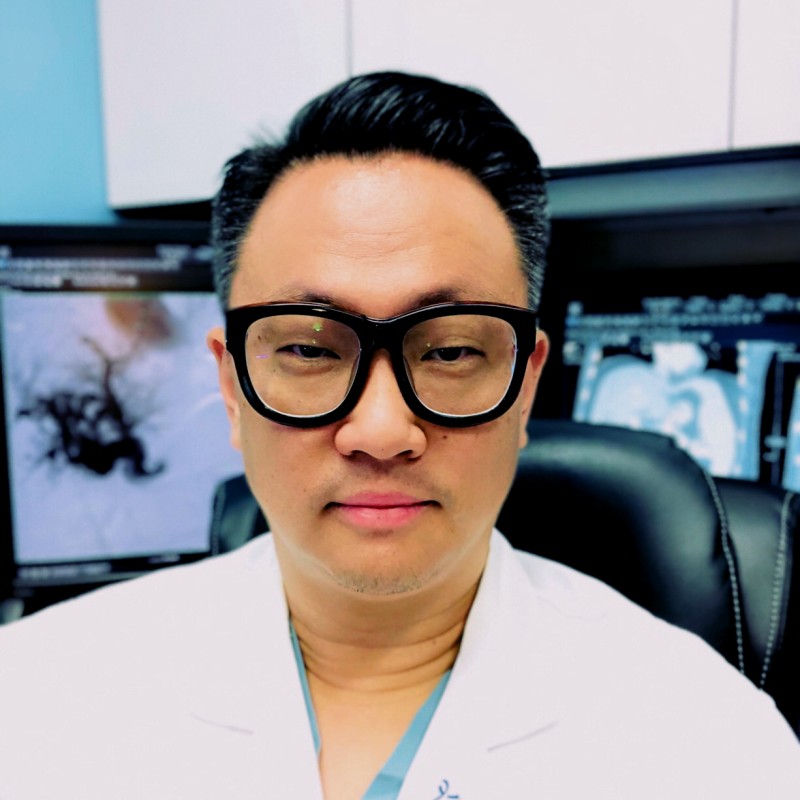
Edward Wolfgang Lee, MD, PhD, recently administered a percutaneous spleno-renal shunt to a 6-year-old boy. The patient had suffered severe portal hypertension, with abnormally dilated veins leading to bleeding.
UCLA did not identify the boy but said he is doing well following the procedure, which occurred in December. Lee is hopeful his work will lead to more such shunt procedures among kids with similar conditions.
“This procedure should be promoted and needs to be taught globally as countless children would benefit,” Lee said in a March 19 news article from UCLA. “I think the long-term outcome is very promising.”
The patient had received a liver transplant at UCLA in 2021 when he was 15 months old to address a blockage in his bile ducts. However, he only received part of the donor organ, due to shortages.
Lee noted that the 6-year-old’s portal vein had become completely occluded and thrombosed, limiting blood flow to the liver. This eventually worsened into portal hypertension after blood had not flowed properly from abdominal organs. He experienced around two dozen bleeding episodes, forcing the boy in and out of the hospital due to inadequate treatment options.
“He almost died,” Lee said in the article. “He had multiple bleeding varices.”
With transjugular intrahepatic portosystemic shunt (TIPS) not a viable option and concern invasive surgery could lead to further complications, UCLA sought other options. Receiving another liver transplant was ruled out, due to the long wait list. After studying the boy’s CT, MR and
ultrasound images—and performing the procedure on two adults—Lee and colleagues decided the boy was a candidate for a percutaneous spleno-renal shunt.
The minimally invasive approach involves a small puncture through the skin and deployment of catheters, guided by ultrasound and fluoroscopy to create the shunt—typically a surgically implanted, flexible thin tube that drains excess fluid—and relieve pressure. Lee completed the two-hour procedure using general anesthesia and specialized tools, customized for a child’s anatomy.
It was a success, though the high-stakes pressure made Lee feel as if “he’d aged 20 years,” UCLA reported. The boy remained hospitalized for three days but is “doing great” months later. Lee estimated that half of patients with end-stage liver disease may experience portal vein thrombosis, with the procedure presenting a promising option for patients who might not have alternatives.
“This type of portal vein thrombosis and hypertension are actually not uncommon in pediatric patients and adults, but now we have a very effective, minimally invasive treatment option,” Lee said.

Marty Stempniak has covered healthcare since 2012, with his byline appearing in the American Hospital Association's member magazine, Modern Healthcare and McKnight's. Prior to that, he wrote about village government and local business for his hometown newspaper in Oak Park, Illinois. He won a Peter Lisagor and Gold EXCEL awards in 2017 for his coverage of the opioid epidemic.