
Shielding system linked to lower operator radiation exposure during IR procedures
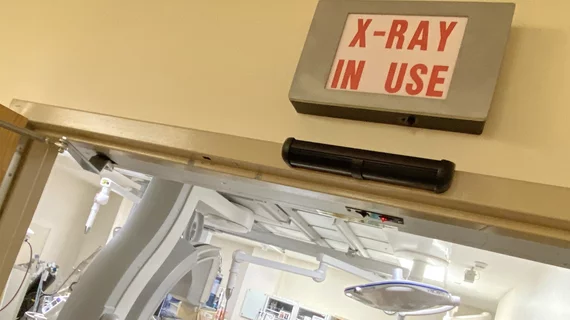
A lead-free, ceiling-mounted shielding system could significantly reduce occupational radiation exposure among physicians performing fluoroscopy-guided procedures, according to a multicenter observational study presented at TCT 2026.
The findings address two occupational concerns for physicians who routinely perform fluoroscopic interventions—cumulative radiation exposure and musculoskeletal strain associated with wearing heavy protective aprons. Ceiling-mounted shielding systems offer a potential alternative by placing radiation barriers between the operator and the source of scatter radiation.
The study evaluated the Rampart Guardian system, which is designed to protect operators from radiation without requiring them to wear traditional lead aprons. Researchers analyzed 1,222 procedures performed by 416 operators at 95 U.S. and international sites between September 2025 and June 2026. The system was used in 1,208 procedures, or 98.9% of cases. Radiation exposure was measured using dosimeters worn on the primary operator’s left shoulder.
Across all procedures, nearly 30% recorded exposures below the dosimeters’ detection threshold. Median exposure during coronary procedures was 1 microsievert; electrophysiology procedures had the highest proportion of undetectable exposure, at 66%, while aortic procedures had a higher median exposure of 10 microsieverts.
Most procedures in the study also incorporated supplemental under-table shielding and a flexible drape positioned over the patient. As such, the results reflect a broader shielding approach beyond just the ceiling-mounted system alone.
However, the authors noted that the study did not directly compare radiation exposure with traditional lead aprons. Manufacturer representatives were present during the procedures to optimize system setup, and operators had access to real-time radiation measurements, potentially influencing their behavior during the procedure.
Further research without manufacturer-supervised setup or real-time radiation feedback is needed to determine how the results translate to routine clinical practice, the authors said. The findings demonstrate low measured exposure in a range of procedures but do not establish comparative effectiveness against conventional protective equipment.

In addition to her background in journalism, Hannah also has patient-facing experience in clinical settings, having spent more than 12 years working as a registered rad tech. She began covering the medical imaging industry for Innovate Healthcare in 2021.