
MRI findings reveal how spaceflight changes the brain
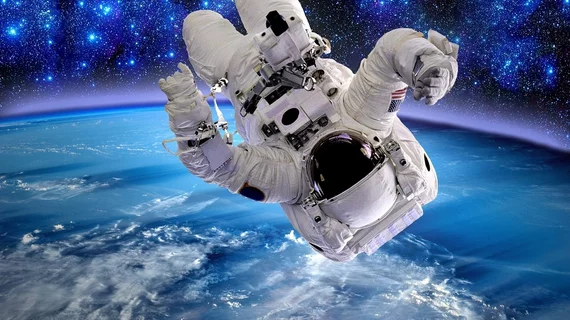
Astronauts returning to solid ground after space travel may be slightly less coordinated during their first few weeks back on Earth compared to when they first exited the ozone.
That’s because spending an extended period of time in a zero-gravity environment causes the brain to become somewhat displaced. According to new imaging data published in the journal Proceedings of the National Academy of Sciences, the brain moves slightly up and posterior during spaceflight.
When astronauts land, this may present as decreased coordination, as the regions most affected by the movement are involved in sensory and motor functions. Authors of the new paper noted the importance of understanding how spaceflight affects the anatomy and physiology of the brain, given the growing interest and capabilities of space exploration.
“When humans return from space, their average brain position is higher within the cranial compartment,” co-author Rachael Seidler, an applied physiologist at the University of Florida, and colleagues noted. “Here, we evaluated brain regional shift magnitudes and deformations and their behavioral correlates.”
For their work, the team analyzed the MRI data of 26 astronauts and 24 participants of a study that mimicked spaceflight via long-duration head-down tilt bed positioning. Skull position was aligned before and after spaceflight and bedrest and used as a reference, which was then compared alongside rigid body registration to quantify changes in brain position.
The team observed several changes related to long-term exposure to space-like environments. These changes were most notable in parts of the frontal lobe; in individuals who spent one year in space, the supplementary motor cortex displayed the greatest upward displacement. This area of the brain is critical for speech, coordination and fine motor skills, which correlated with the study participants’ behavior post-spaceflight/bedrest.
The good news is that these changes appear to diminish over time. Additional imaging completed six months after the initial post-spaceflight/bedrest exams revealed that most of the alterations had recovered, though some persisted.
“These findings are critical for understanding the effects of spaceflight on the human brain and behavior,” the authors noted, adding that additional longitudinal studies are needed to further explore the effects of spaceflight.
Read more here.

In addition to her background in journalism, Hannah also has patient-facing experience in clinical settings, having spent more than 12 years working as a registered rad tech. She began covering the medical imaging industry for Innovate Healthcare in 2021.