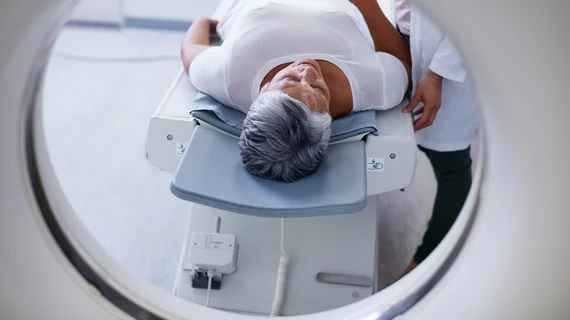
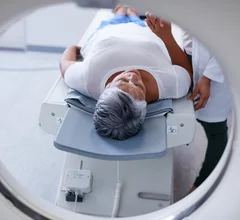
Positron emission tomography/computed tomography is a hybrid nuclear medicine imaging technique that helps radiologists spot abnormal metabolic activity. PET/CT is commonly used to diagnose cancers, heart diseases and certain brain disorders, among other conditions.
Conventional PET/CT scanners image the body in sections, typically requiring five to six position changes to acquire images from the head to the thighs.
The Chicago-based imaging systems manufacturer will pay the purchase price in cash, acquiring the company from private equity firm Trilantic North America.
Researchers are developing a system that combines a universal radioactive building block with different biological molecules to create new radiotracers.
Conventional PET/CT scanners image the body in sections, typically requiring five to six position changes to acquire images from the head to the thighs.
The Chicago-based imaging systems manufacturer will pay the purchase price in cash, acquiring the company from private equity firm Trilantic North America.
Researchers are developing a system that combines a universal radioactive building block with different biological molecules to create new radiotracers.
The software supports amyloid, tau and FDG PET and provides automated Centiloid measurements for amyloid imaging and CenTauR measurements for tau imaging.
The launch comes ahead of meetings with members of Congress this fall in Washington, D.C., where group leaders plan to advocate for the availability of cardiac PET, particularly among underserved populations.
The finalized project was designed to increase production capacity and support growing demand for PET/CT technology, including new product lines planned for the United States and international markets.