
World’s 1st study to test whether low-dose radiation could curb Parkinson’s
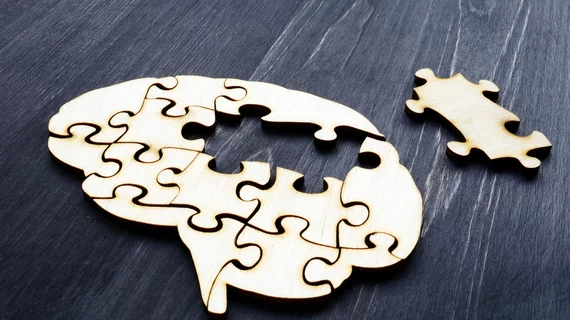
Mayo Clinic scientists are testing whether low-dose radiation therapy could slow Parkinson’s disease by targeting inflammation in the brain.
Experts with the Rochester, Minnesota-based institution say this is the world’s first study to explore this treatment for the progressive central nervous system disorder, which currently has no cure.
Their soon-to-launch trial will deliver low-dose radiation to small, carefully targeted areas of the brain believed to be involved in development and progression of Parkinson’s.
"This is very different from using radiation to damage or destroy tissue,” Yasamin Sharifzadeh, MD, a Mayo Clinic radiation oncologist and principal investigator of the clinical trial, said in an Oct. 21 announcement. "We're using a much lower dose. The goal is not to destroy brain tissue but to investigate whether radiation can reduce inflammatory processes in specific parts of the brain."
The new study will include patients ages 45 to 75 with early stage Parkinson’s that is not linked to a known genetic cause. Sharifzadeh and colleagues hope to enroll 20 participants, by invitation only, to be treated at the Mayo Clinic in Minnesota.
Patients will receive one 15-minute low-dose radiation treatment for five consecutive days. Researchers will then evaluate changes in inflammatory biomarkers and protein accumulation at six hours after treatment, doing so again at three, six and 12 months.
Mayo said they’ll also use imaging to assess dopamine changes and track physical, emotional and cognitive symptoms regularly. Researchers will use imaging prior to treatment, too, for mapping participants’ brain anatomy and planning where to deliver radiation. Blood samples also will measure biomarkers and assess symptoms.
Experts note that current treatments focus on managing Parkinson’s symptoms with medications, along with procedures such as focused ultrasound or deep brain stimulation. While radiation therapy is typically used for cancer, with higher doses damaging tumor cells and stopping growth, scientists hope lowering the dose can curb brain inflammation.
"Parkinson's disease is not a single uniform condition but rather a collection of related disease subtypes that may differ biologically," Rodolfo Savica, MD, PhD, a Mayo Clinic neurologist and study investigator, said in the announcement. "This diversity complicates the search for a universal treatment, but despite this complication, inflammation appears to play a meaningful role across many forms of the disease."

Marty Stempniak has covered healthcare since 2012, with his byline appearing in the American Hospital Association's member magazine, Modern Healthcare and McKnight's. Prior to that, he wrote about village government and local business for his hometown newspaper in Oak Park, Illinois. He won a Peter Lisagor and Gold EXCEL awards in 2017 for his coverage of the opioid epidemic.