
PHOTO GALLERY: Radiology technologies at RSNA 2025
These images are from the Radiological Society of North America (RSNA) 2025 annual meeting in Chicago. The gallery includes new technologies and a look at views from around the world's largest radiology conference. Photos include new tech in MRI, CT, nuclear imaging, X-ray, artificial intelligence and PACS/enterprise imaging.

The FDA-cleared Neoscan MRI system dedicated neonate imaging on the expo floor at RSNA 2025.
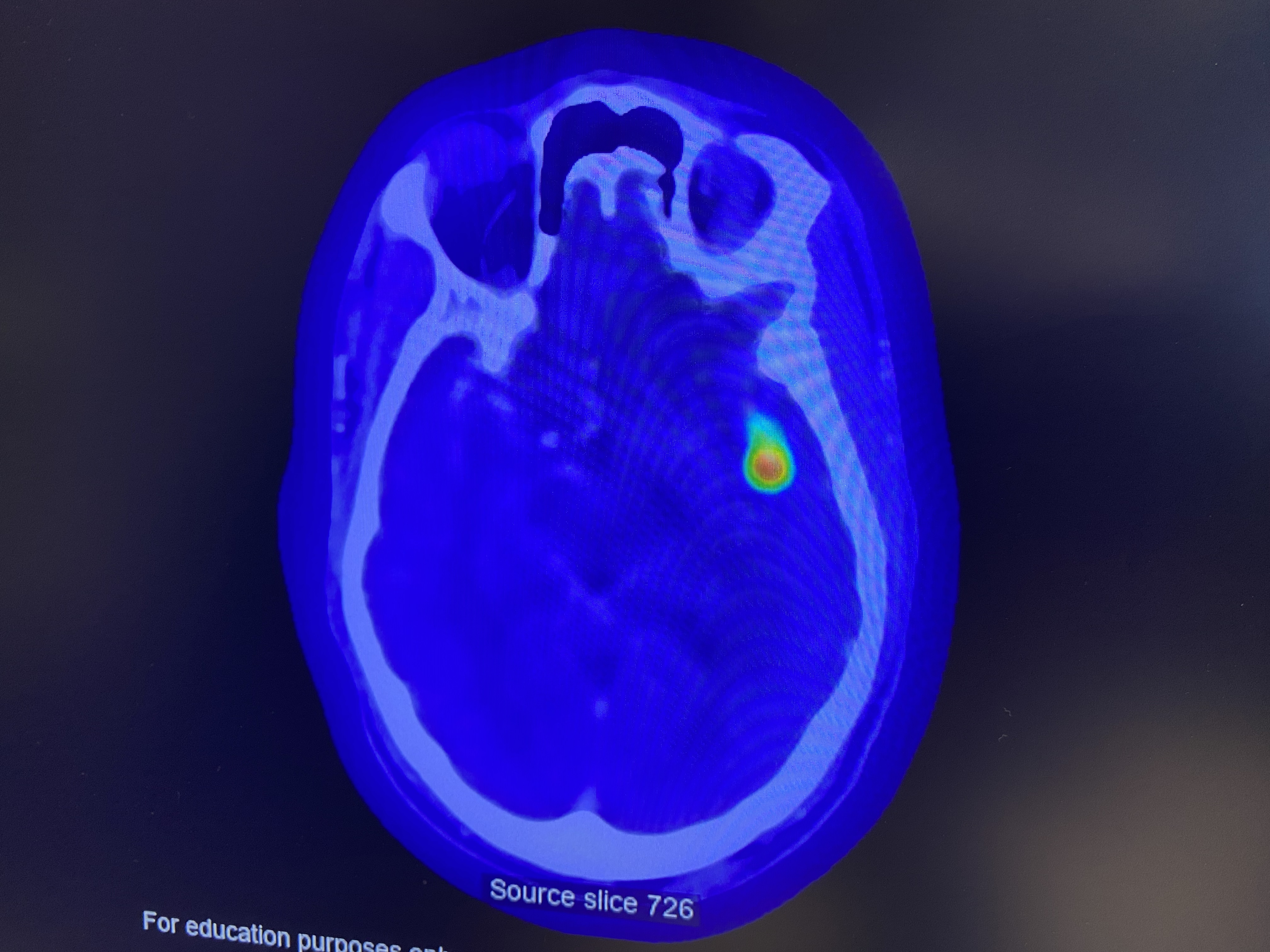
Color changes showing the comparison of current and prior imaging changes in the brain. RapidAI's new FDA-cleared DeltaFuse artificial intelligence helps enable longer-term patient management by automatically aligning and co-registering serial noncontrast head CTs to visualize subtle intracranial changes, such as acute or chronic hemorrhages, solid masses, or ventricular changes. Studies show it reduces radiologist comparison time by over 36%.

RSNA's Innovation Theater on the show floor, with a hand X-ray from an Orthoscan system in the foreground.

A cold-cathode X-ray tube displayed by Nanox at RSNA. When creating X-rays, the majority of the energy is released as heat, requiring X-ray systems to have cooling systems or a way to absorb and radiate the heat, making them very heavy. This company has made a very lightweight FDA-cleared cone-beam CT scanner that makes tomosynthesis imaging data sets similar to 3D mammography.
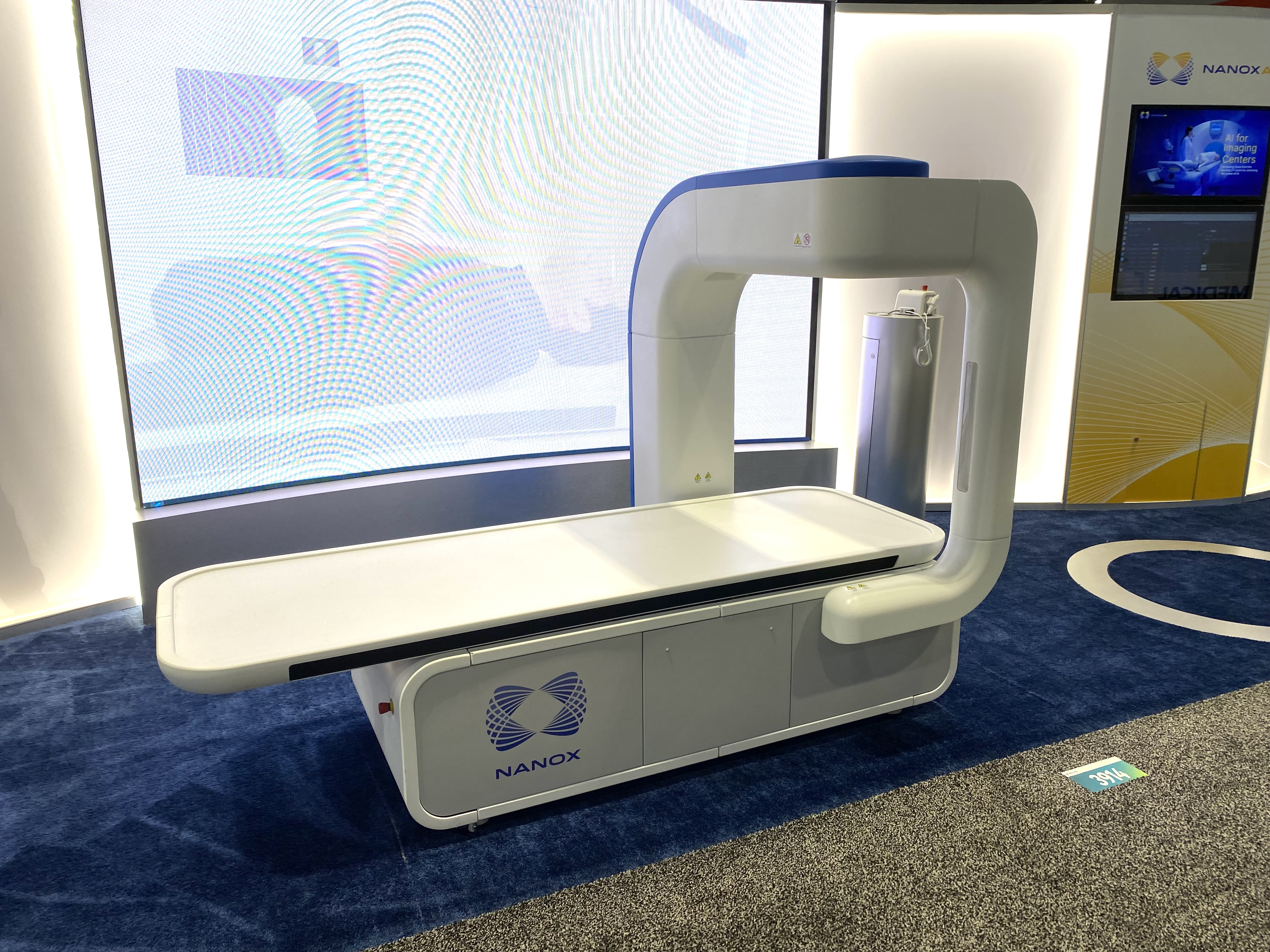
The Nanox Arc cold-cathode X-ray system was displayed for the first time on the show floor. It creates tomosynthesis images and is between a high powered X-ray and a small CT scanner.

During an evening RSNA presentation at the Apple Store on Michigan Avenue, Elias Kikano, MD, medical director of health informatics, assistant professor of radiology and imaging, Emory University, explains a possible transformation of medical education and radiology exam review using the Apple Vision Pro virtual reality headset and software interface from Visage.

A cake for attendees in the 4D Medical booth, which celebrated the FDA clearance of its CT:VQ non-contrast CT lung perfusion technology at RSNA 2025.

A pediatric swallow study of a neonate using Konica Minolta's dynamic digital radiography (DDR) moving X-ray technology recorded on a mobile X-ray system.

The new robotic GE Allia Moveo interventional angiography system. It is a new version of the IGS system that is a free rolling, laser guided system that does not used a floor or ceiling gantry.

Idaho-based St. Alphonsus Trinity Health enticed attendees by passing out potato chips from the state and potato shaped stress balls at its recruiting booth. There were more than 70 health system and radiology practice recruiters on the RSNA 2025 expo floor, double to triple the number from 2019, showing the increasing impact of the clinician shortage in radiology, especially in more rural areas such as Idaho.
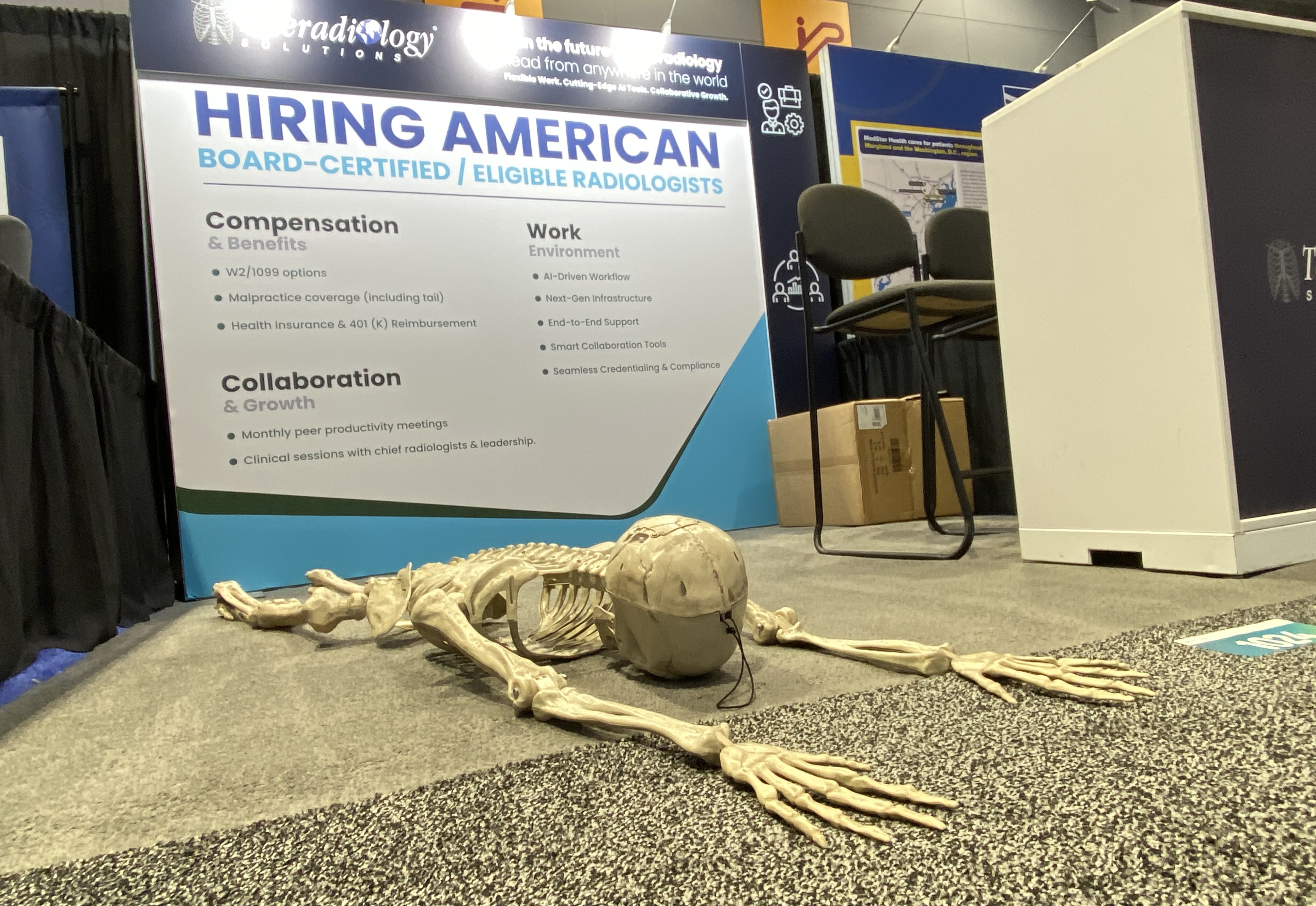
The workforce shortage in radiology is starting to reach critical levels in some rural and under-served areas, prompting a record number of recruiters to set up booths at RSNA 2025. This photo illustrates the desperation of hiring radiologists in some areas, but was a prop in Teleradiology Solutions booth.
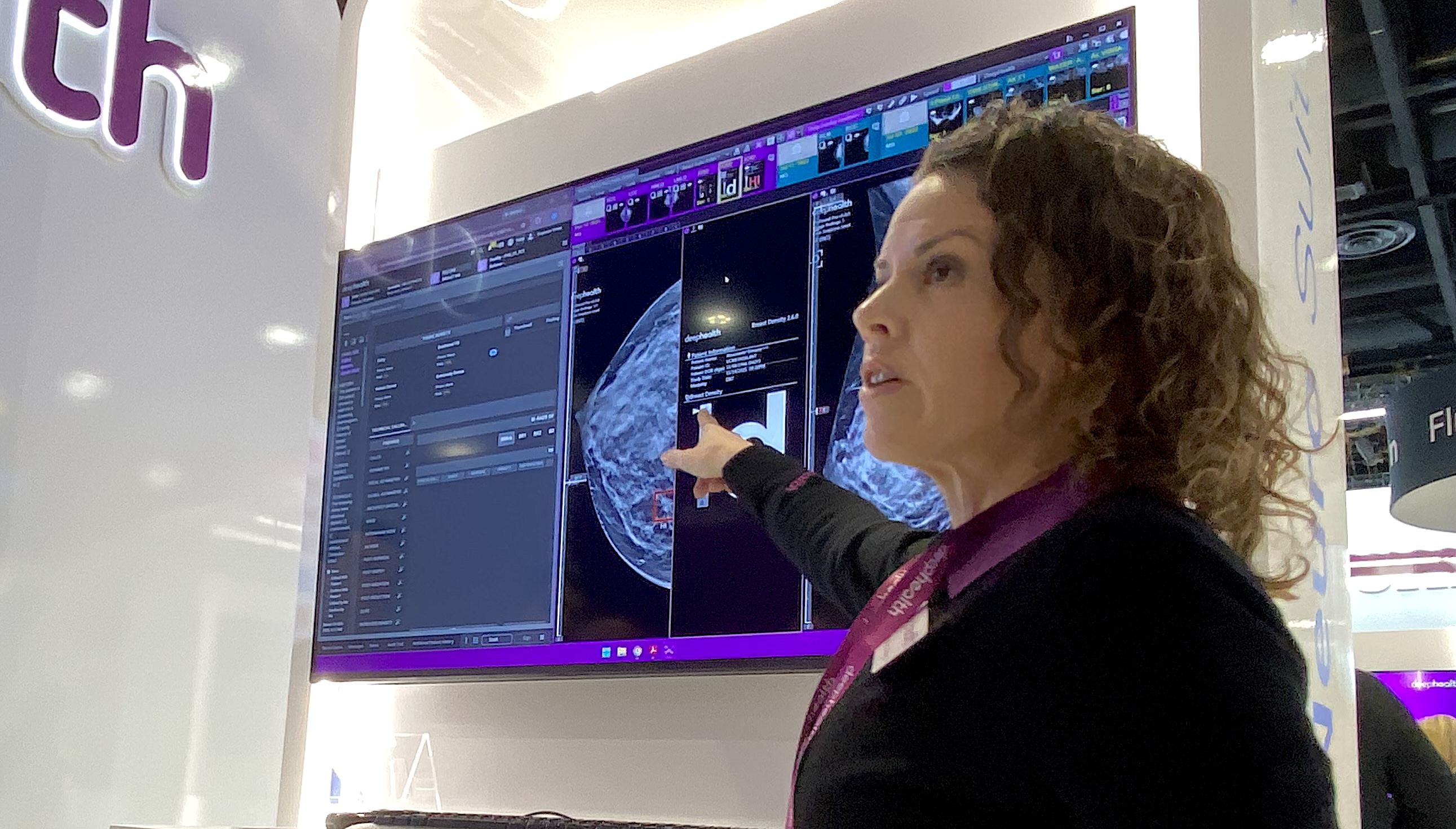
Demonstration of how integration of AI can speed mammography workflows in the DeepHealth booth at RSNA 2025.

A rising trend in radiology to address the specialized radiology technologist shortage is use of remote MRI remote scanning command centers where senior technologists can help oversee scans and offer help with direct access to the scanner's IT system at remote locations. This example of a live command center was demonstrated in the DeepHealth booth.
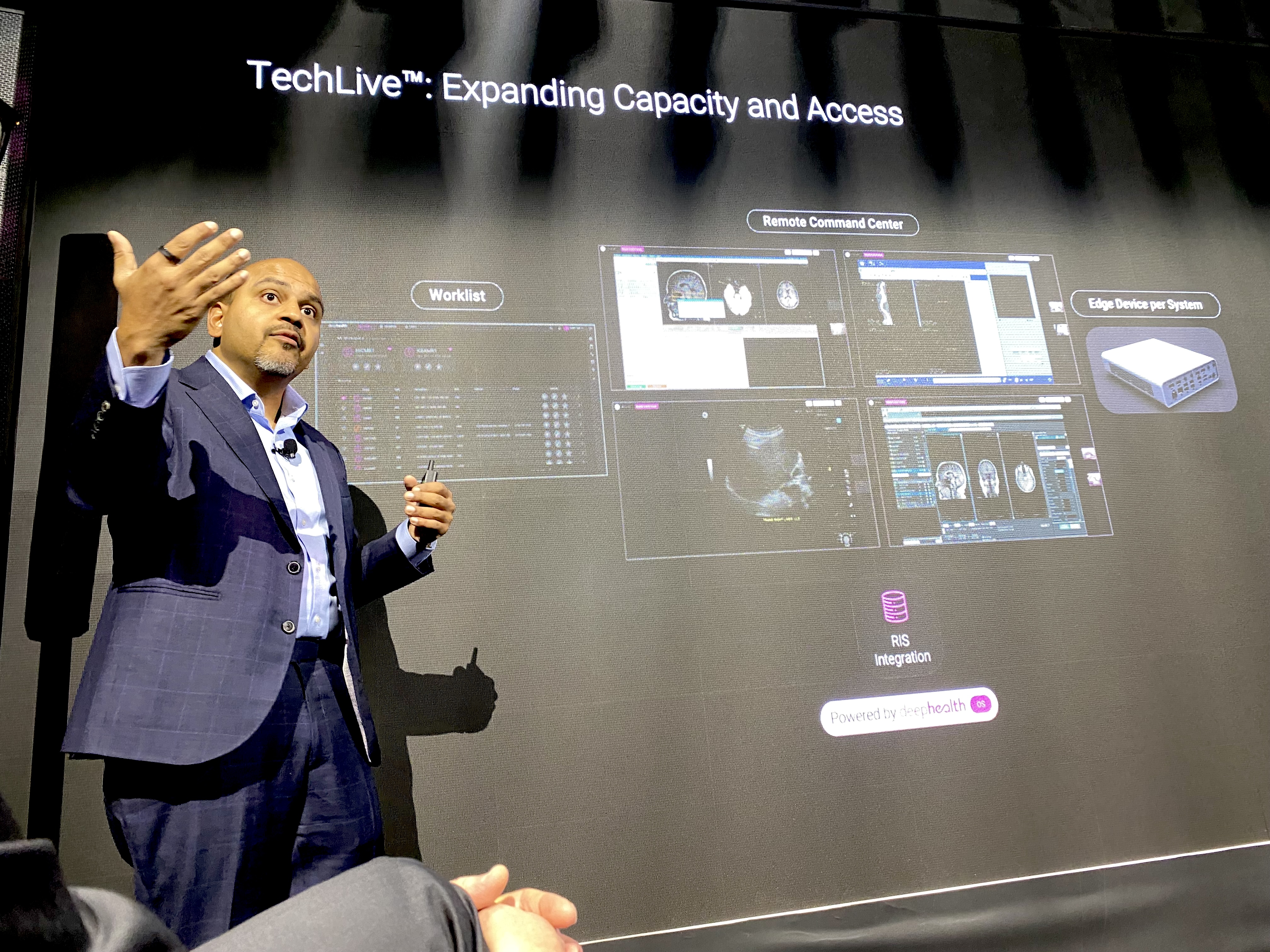
Sham Sokka, chief operating and technology officer at DeepHealth, explains how the vendor's remote command center enables remote scanning capabilities during a presentation at RSNA 2025. Use of these types of remote scanning centers offered by several vendors is helping offset growing shortages of technologists, especially with more challenging exams at remote or rural locations.

AI-enabled HeartFlow coronary artery fractional flow reserve (FFR) and soft plaque analysis from cardiac CT scans offers additional diagnostic information on whether a patient with chest pain needs a stent or can be managed with drug therapy alone. The technology also helps eliminate the need for invasive diagnostic angiograms, which is changing cardiac evaluations in some health systems.
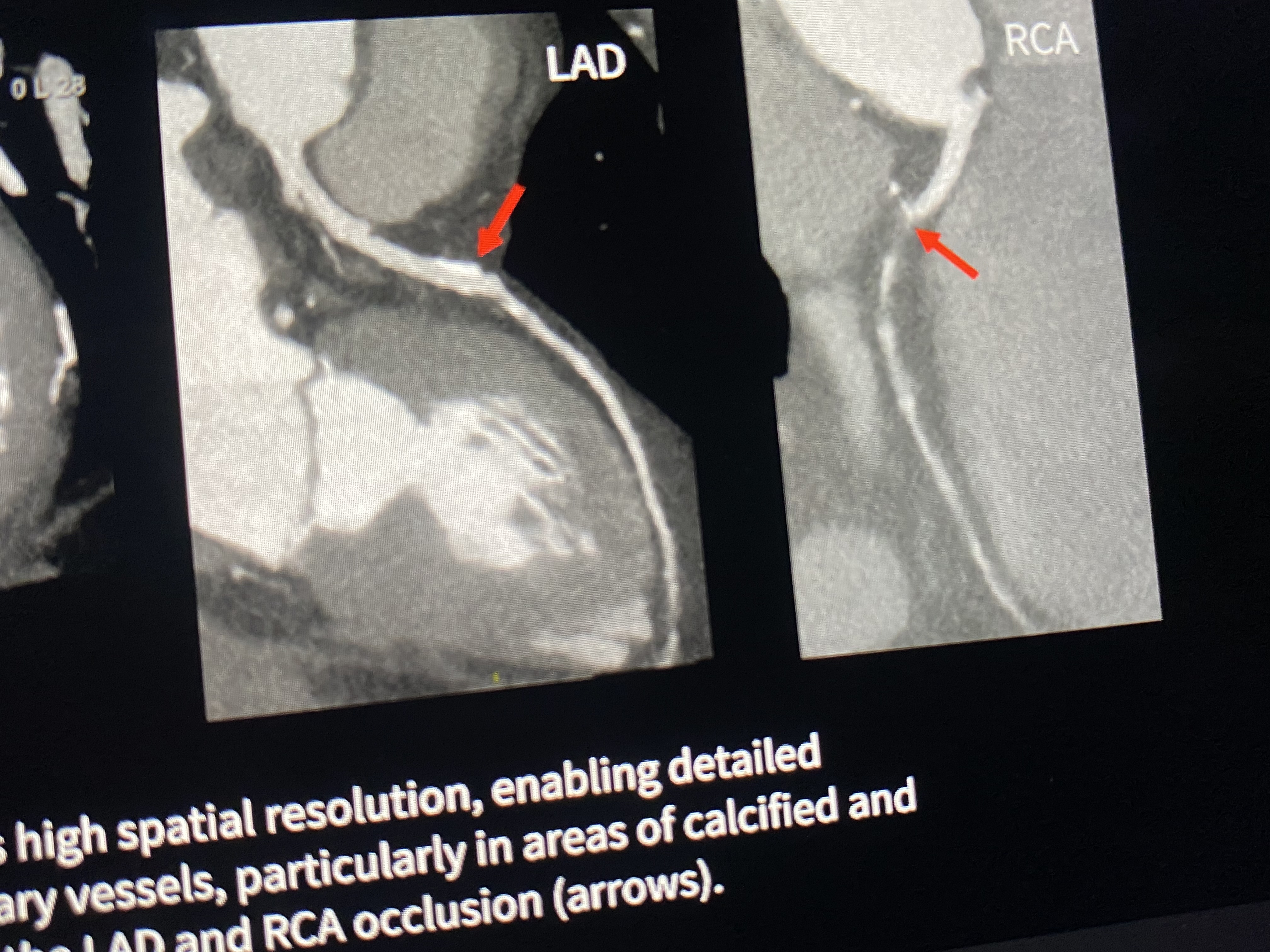
Examples of increased image resolution in coronary arteries and coronary plaque with the GE Healthcare work-in-progress Photonova photon-counting CT system, which was displayed for the first time at RSNA 2025. This system will likely become the second commercialized work-horse photon counting CT system in the U.S. if it is cleared by the FDA.
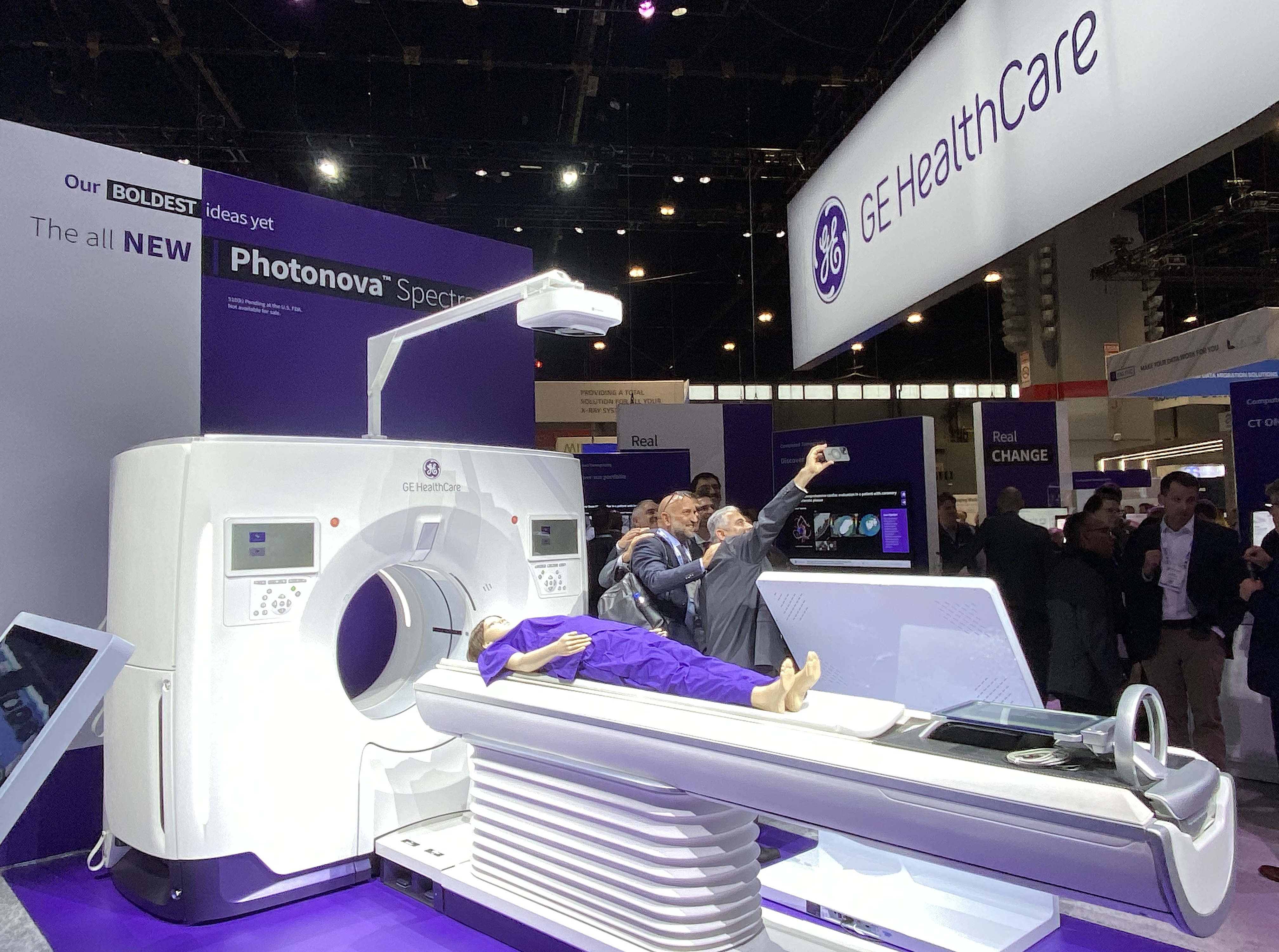
GE Healthcare's work-in-progress Photonova photon-counting CT system displayed for the first time at RSNA 2025. GE has worked with the University of Wisconsin to develop this advanced CT system, which will likely become the second commercialized work-horse photon counting CT system in the U.S. if it is cleared by the FDA.

A new work-in-progress photon counting CT scanner unveiled by Canon Medical Systems at RSNA 2025.
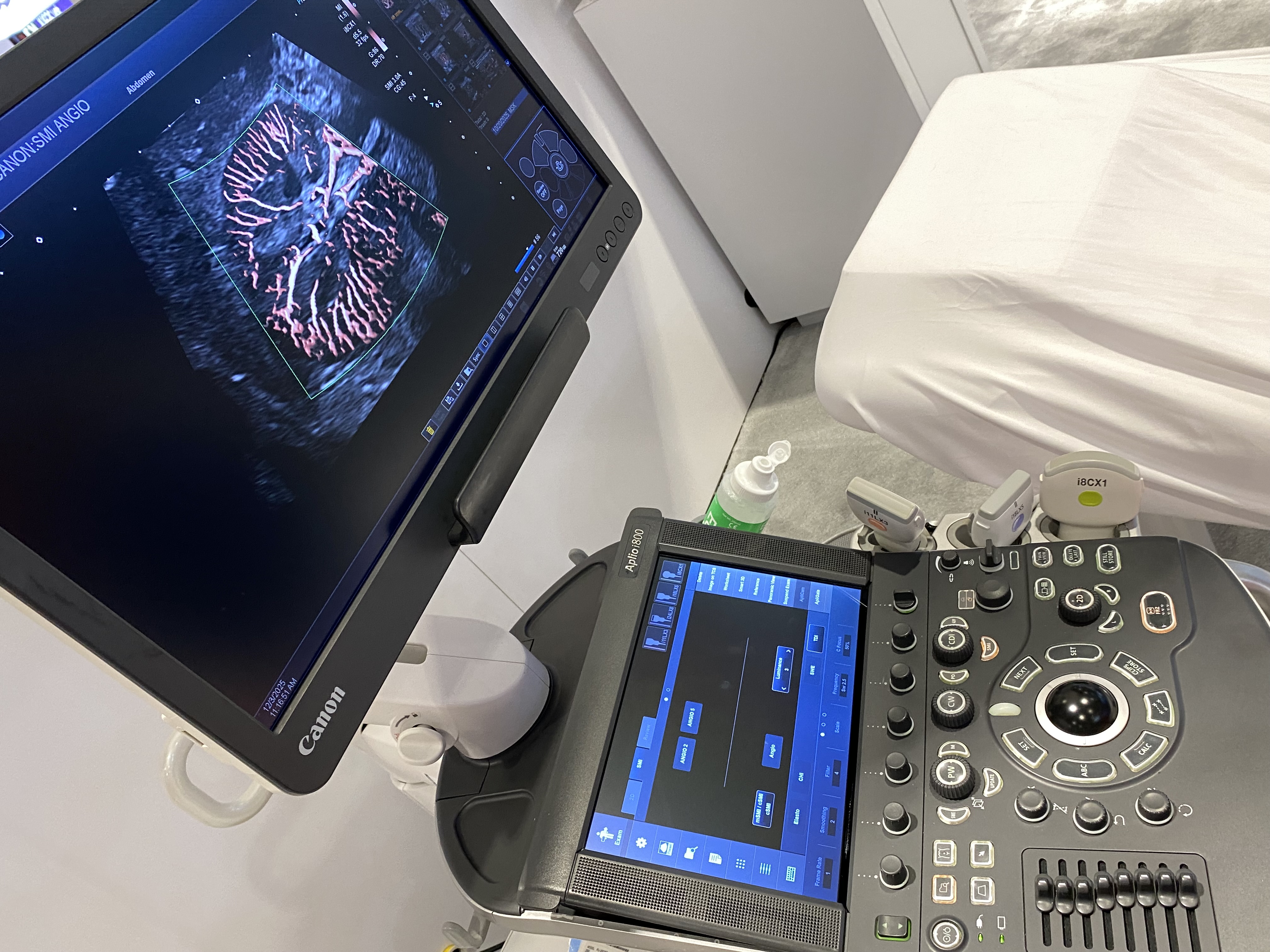
Microvascular blood flow visualized using Canon's Aplio i800 at RSNA 2025.

Canon Medical introduced a work-in-progress multi-position CT scanner with the gantry able to turn and extend above the floor for load bearing CT exams. This is helpful for MSK and other exams where it is beneficial for the patient to stand during the exam.
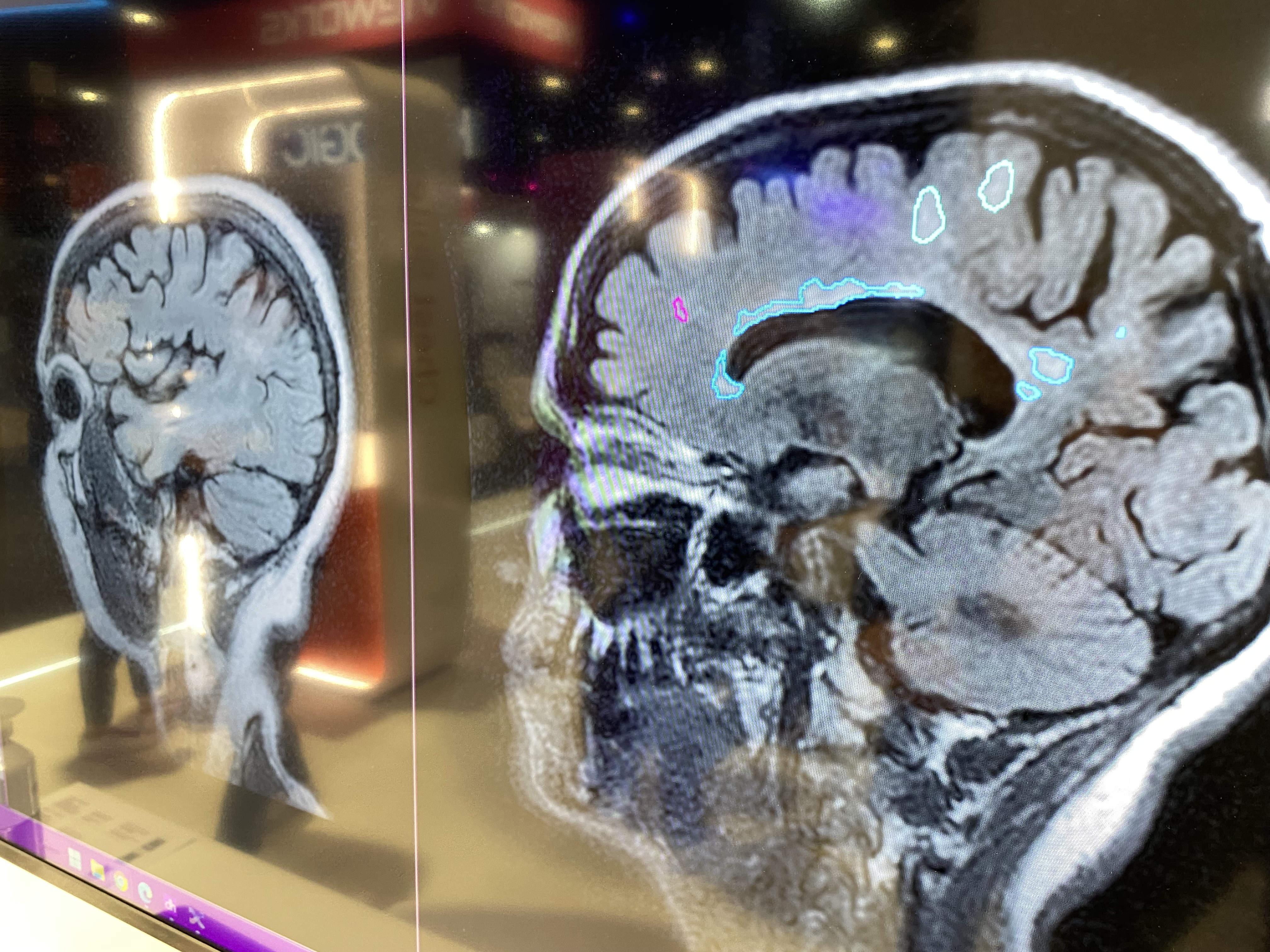
Artificial intelligence-enhanced workflow for brain MRI with the AI automatically contouring and quantifying to reduce the time radiologists need to spend on manual caliper tasks, shown in the DeepHealth booth.

The Bayer Medrad Centargo syringeless iodine contrast injector system displayed at RSNA after receiving FDA in November 2025. Read more

About 80% of clinical AI cleared by the FDA is in medical imaging, and RSNA by default is the largest medical AI conference in the world. AI signage like this was everywhere on the expo floor, with hundreds of both clinical and non-clinical AI now integrated into radiology products.

The MicroX Rover cold-cathode mobile X-ray system on display at RSNA 2025. The elimination of excessive heat produced from making X-rays from conventional tube technology allows for a much lighter system without the need for a motorized drive unit.

A carotid artery CT image reconstruction and vessel diagram in the Philips booth at RSNA 2025.
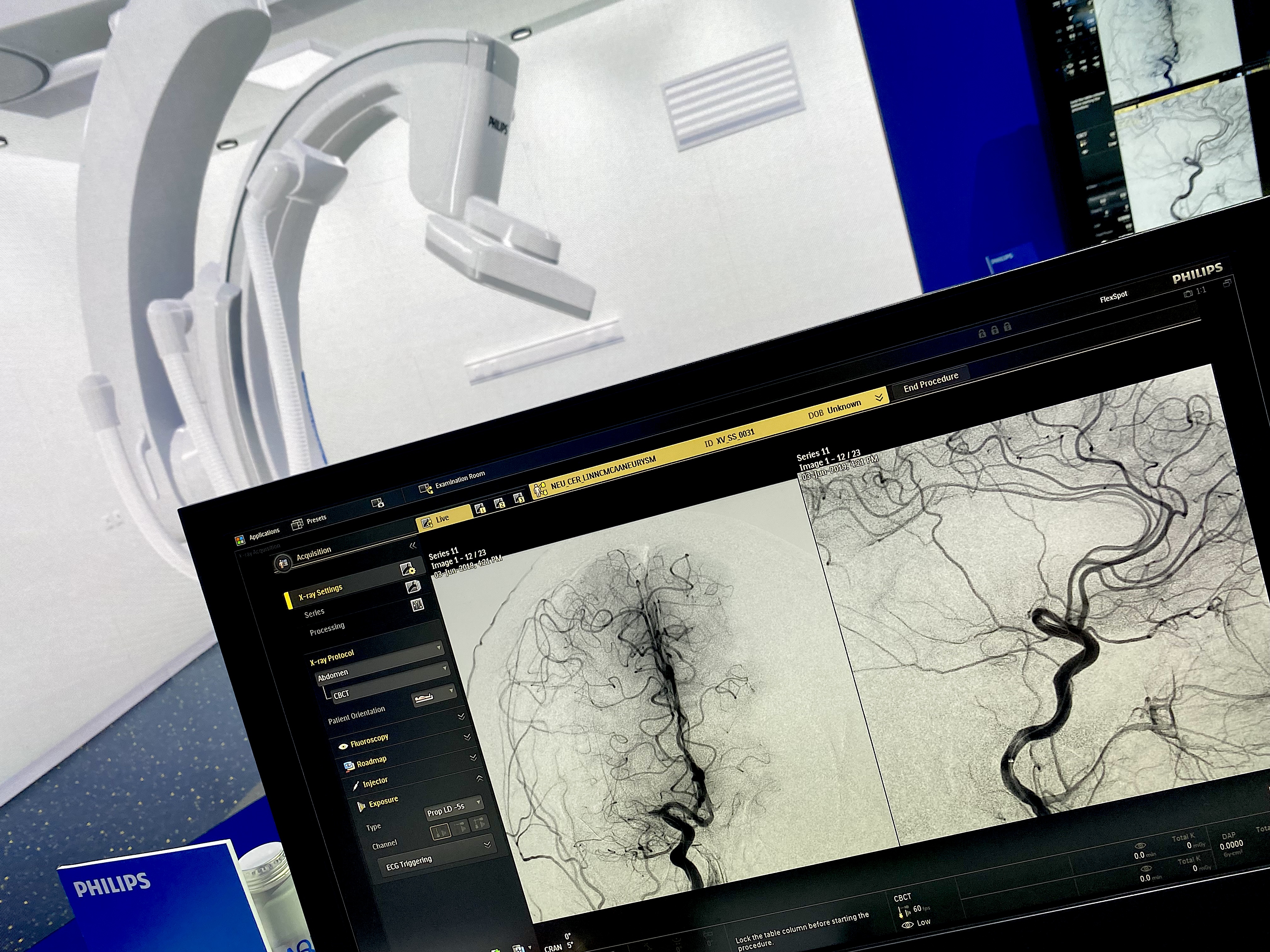
Ischemic stroke angiogram visualized using a Philips angiography system at RSNA 2025.

Canon Medical's recently FDA-cleared combined angiography-computed tomography Alphenix 4D CT with Aquilion One/Insight Edition interventional imaging system. The next-generation angio-CT hybrid solution is not just for interventional radiology, but also for neurology, trauma, stroke and pediatrics. It enables diagnosis, planning, treatment and verification all in one room.

Mary S. Newell, MD, FACR, FSBI, chair of the ACR Committee on BI-RADS, shows off the new 2025 version of the American College of Radiology (ACR) Breast Imaging Reporting and Data System (BI-RADS) v2025 Manual. The updated guide helps standardized breast imaging terminology and reporting and includes new data and technologies since the BI-RADS were last updated about a decade ago.
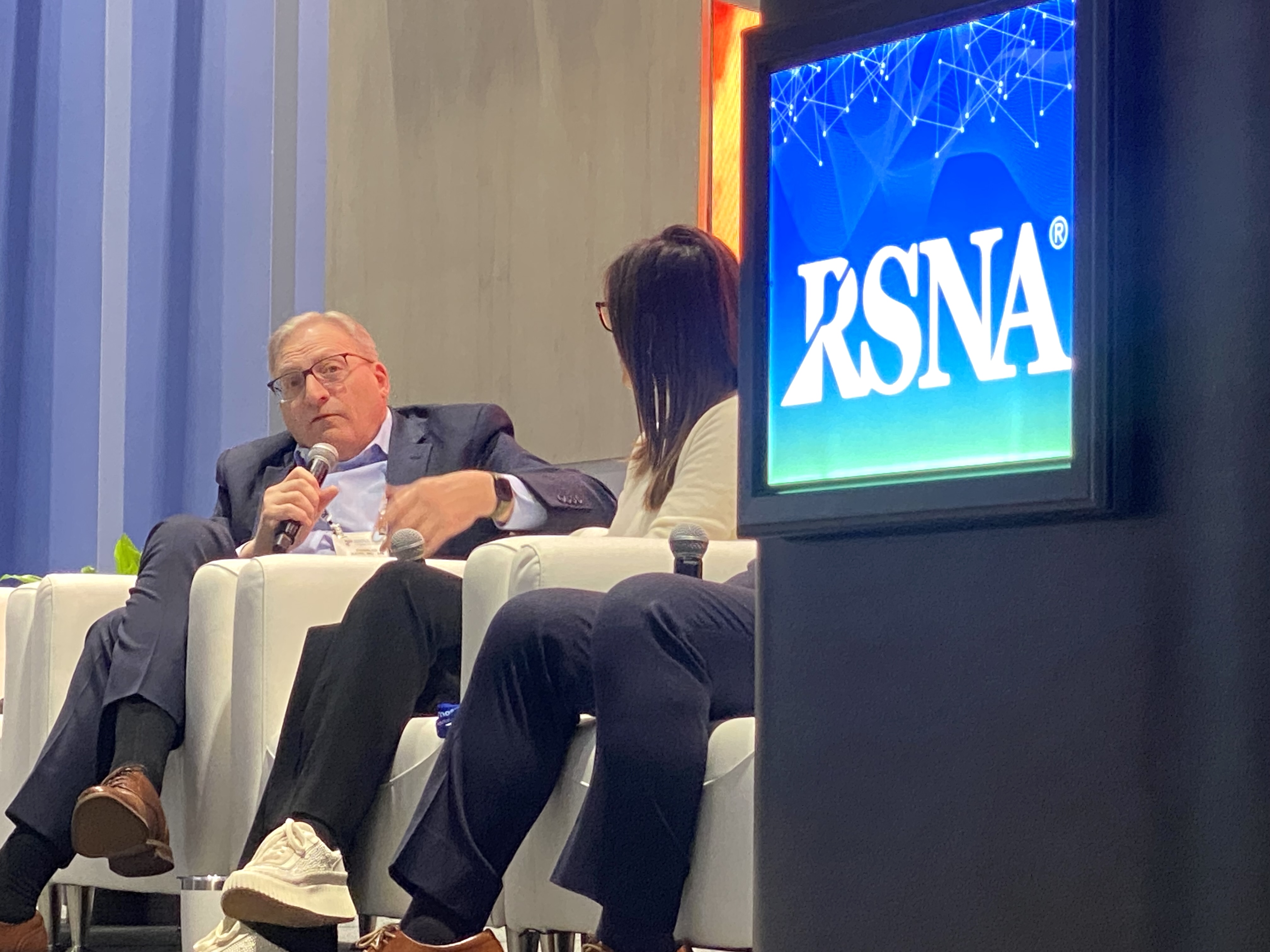
RSNA Radiology AI editor Charles Kahn, MD, and AI expert Nina Kottler, MD, discuss AI issues at fireside chat in AI theater RSNA 2025.

A new fetal ultrasound phantom that includes a complete fetus inside the abdomen phantom, shown by KK America Kyoto Kaga at RSNA 2025.

Breast cancer patient pins offered in Mammoscreen AI booth at RSNA 2025.

Recruiters row at RSNA has more than doubled in size since 2019 because of the growing radiology workforce shortage. New competition for U.S. radiologists came from three new recruiters from New Zealand, who were looking to recruit U.S. radiologists to help fill that country's even larger shortage of physicians.

Materialise Mimics software used to reconstruct a high resolution 3D lung CT image at RSNA 2025.

Arlene Richardson, MD, an MSK radiologist with Radiology Partners, and program director for RAD-AID Tanzania, sports RAD-AID bling at RSNA 2025. She spoke with Radiology Business about her experience offering help to resource-stretched radiologists in Africa, pulling from her own experiences working as a radiologist in the South Side of Chicago.

A detailed radiology head phantom on display by Supertech at RSNA 2025.

GE Healthcare RSNA 2025 booth attendee discussions during a cardiac echo system demonstration.

A new work-in-progress photon counting CT scanner unveiled by Canon Medical Systems at RSNA 2025.
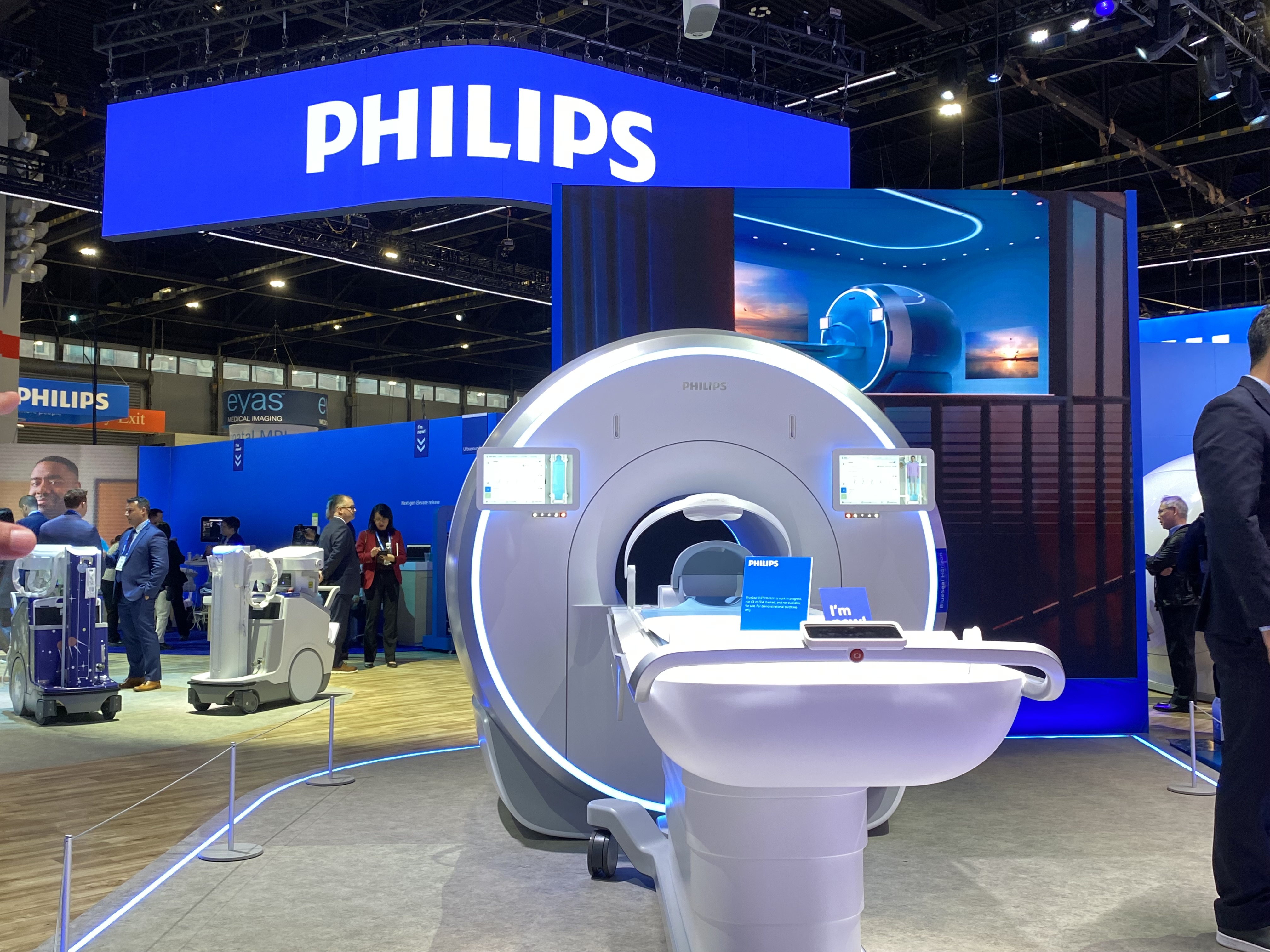
The new Philips BlueSeal Horizon 3.0T MRI work-in-progress system unveiled at RSNA 2025. The system uses just a fraction of the helium coolant needed in a conventional MRI system by using a sealed system. It also does not require a quench pipe, making installation easier.

The Amazon Web Services (AWS) booth at RSNA 2025 featured kiosks highlighting how AWS has enabled radiology IT vendor partners to provide better service with cloud native PACS and software systems.

AI automated measurements and reporting to help speed spinal MRI reads by RemedyLogic at RSNA 2025.

Philips showed its new FDA 510(k) pending Verdia spectral CT system. It offers AI-enabled workflows and improved image quality.

A new FDA 510(k) pending coronary CT plaque analysis software from Siemens being shown at RSNA. This will be the first FDA-cleared plaque analysis software from one of the major CT manufacturers and will enable hospitals to process the patient imaging data on-site, rather than sending it offsite to a third-party vendor.

A demonstration of the mammography workflow using Siemens' technology.

Artificial intelligence from be.ia can reconstruct life-like, photographic quality images of what a new-born baby will look like from a fetal ultrasound.

Samsung unveils its new R20 ultrasound system at RSNA 2025. The system offers AI-workflows and thrid harmonic imaging to improve image quality.

RSNA has about 40,000 attendees and one of its biggest attributes is the vast amount of opportunities to network and reconnect with distant friends and colleagues.

RSNA features a radiology inspired art exhibit in the poster hall each year. This was one our favorites highlighting MRI safety.

About 80% of clinical AI cleared by the FDA is in medical imaging, and RSNA by default is the largest medical AI conference in the world. AI signage like this was everywhere on the expo floor, with hundreds both clinical and non-clinical AI now integrated into radiology products.

About 80% of AI cleared by the FDA is in medical imaging, so AI products could be found everywhere on the RSNA expo floor. This was in the Samsung booth, where they launched a new AI-enabled ultrasound system.

Many vendors this year had AI labels on products that integrated a smart algorithm. This is an AI-noise reduction algorithm being shown by Siemens.
Related RSNA Content:

Dave Fornell has covered healthcare for more than 17 years, with a focus in cardiology and radiology. Fornell is a 5-time winner of a Jesse H. Neal Award, the most prestigious editorial honors in the field of specialized journalism. The wins included best technical content, best use of social media and best COVID-19 coverage. Fornell was also a three-time Neal finalist for best range of work by a single author. He produces more than 100 editorial videos each year, most of them interviews with key opinion leaders in medicine. He also writes technical articles, covers key trends, conducts video hospital site visits, and is very involved with social media. E-mail: [email protected]