Many know Sol Radiology as the Southern California-based practice that, in this decade, grew from three radiologists to 45 in only three years. But other key indicators of Sol’s development might be the pieces from which presently small practices stand to learn the most.
When soaring imaging volumes began to exacerbate workload inequity and drive physician burnout, the leadership team at one prominent radiology practice found the root cause easy to isolate: operational fragmentation.
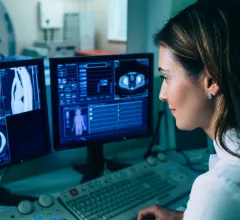
Radiology is rethinking reporting. Legacy systems are being swapped out in favor of intuitive, standardized, AI-powered tools. Greater automation is driving quantifiable improvements into both clinical outcomes and business metrics. Stated another way, radiology reporting is having a moment.
A referring physician orders an MRI of the lumbar spine and hits send. That order lands at three, sometimes four, outpatient imaging centers simultaneously. The center that contacts the patient first books the appointment. The rest miss out on the revenue.
3D surface modeling and virtual surgical planning are expanding radiology’s contribution to multidisciplinary teams. Together, AI-driven interpretation and 3D-enabled clinical collaboration represent two distinct, complementary forces shaping the next decade of radiology.
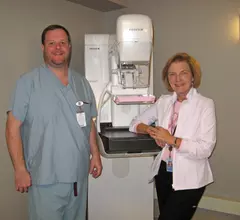
The pressure was on to make an important purchase decision, and fast. Willapa Harbor Hospital in South Bend, Washington, had just seen its aging mammography machine reach the point of no repair.
The radiology department at Ashley County Medical Center (ACMC), a 33-bed critical access hospital in Crossett, Arkansas, has always made dose management a top priority.
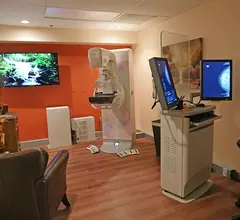
Lisa Quamme, breast health coordinator and senior radiology technologist at Northpoint Health and Wellness Center in Minneapolis, Minnesota, spoke to Radiology Business about how the system has improved their mammography screening.
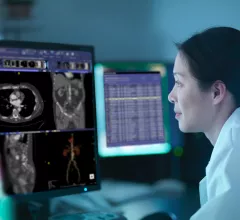
Radiologists operate in a fast-paced work environment, juggling a combination of tasks that includes interpreting studies, and calls from referring physicians.
In the ongoing effort to improve its solutions with customer input, Konica Minolta Healthcare Americas will be showcasing new features in the Exa™ Platform that enhance patient engagement, referring provider satisfaction and imaging workflow productivity.
Breast-imaging patients and the radiologic technologists who serve them have long wished for a breast radiologist to be there for them—on call or already present—whenever questions or concerns arise in the exam room.