
New AI technology uses machine learning to clean up distorted, damaged images
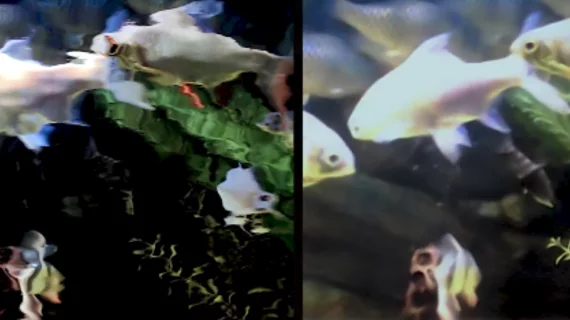
DeepRay, a new solution from Cambridge Consultants, uses artificial intelligence (AI) to improve distorted or damaged images. The company has said this technology could provide significant value to healthcare providers by improving medical imaging data.
Using machine learning, DeepRay “learns” how images are supposed to look and can then use that knowledge to clean up various obstructions. The solution is a result of work done at Cambridge Consultants’ Digital Greenhouse, an “experimental environment” where data scientists and engineers work together on various deep learning projects, according to a prepared statement.
“Never before has a new technology enabled machines to interpret real-world scenes the way humans can—and DeepRay can potentially outperform the human eye,” Tim Ensor, commercial director for AI at Cambridge Consultants, said in a prepared statement. “This takes us into a new era of image sensing and will give flight to applications in many industries, including automotive, agritech and healthcare.”
The company plans to publicly unveil DeepRay in early 2019.

Michael has more than 19 years of experience as a professional writer and editor. He has written at length about cardiology, radiology, artificial intelligence and other key healthcare topics.